
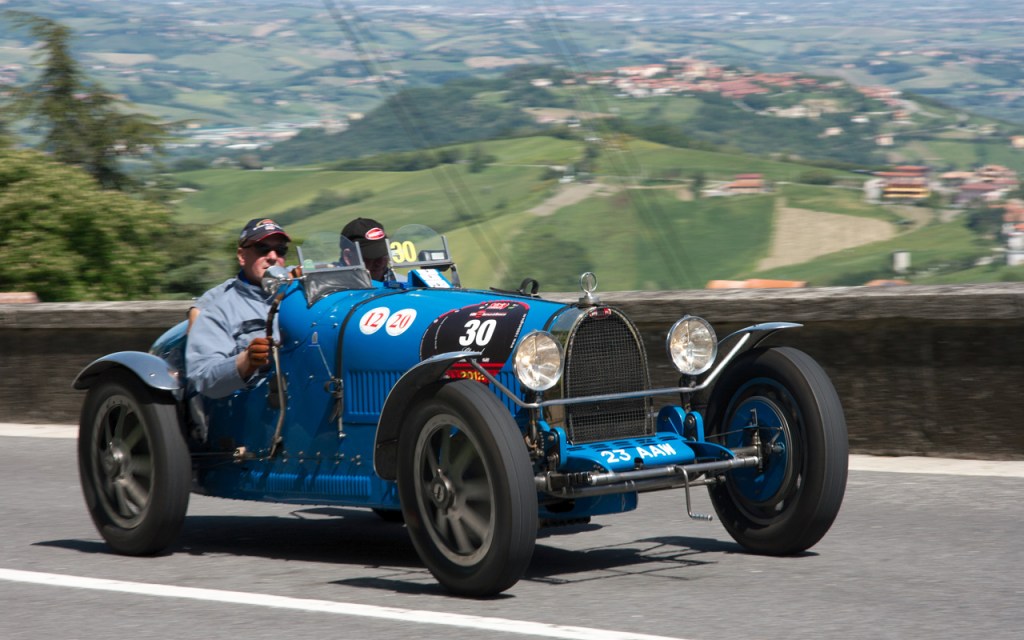
In the heart of Italy, where cobblestone streets whisper tales of the past and rolling hills frame breathtaking landscapes, a legendary race was born—the Mille Miglia. More than just a test of speed, it was a symphony of endurance, engineering, and elegance that captured the imagination of motorsport enthusiasts worldwide.

Today, the Mille Miglia remains an icon of classic car culture, preserving the spirit of an era when automobiles were more than machines; they were art on wheels.
The Birth of a Legend
In 1927, four passionate Italian gentlemen—Franco Mazzotti, Aymo Maggi, Renzo Castagneto, and Giovanni Canestrini—conceived the Mille Miglia.
Their vision was to create a 1,000-mile (1,600 km) endurance race stretching from Brescia to Rome and back. The course wound through picturesque towns, across challenging mountain passes, and along scenic coastal roads, making it one of the most visually spectacular and demanding races in history.
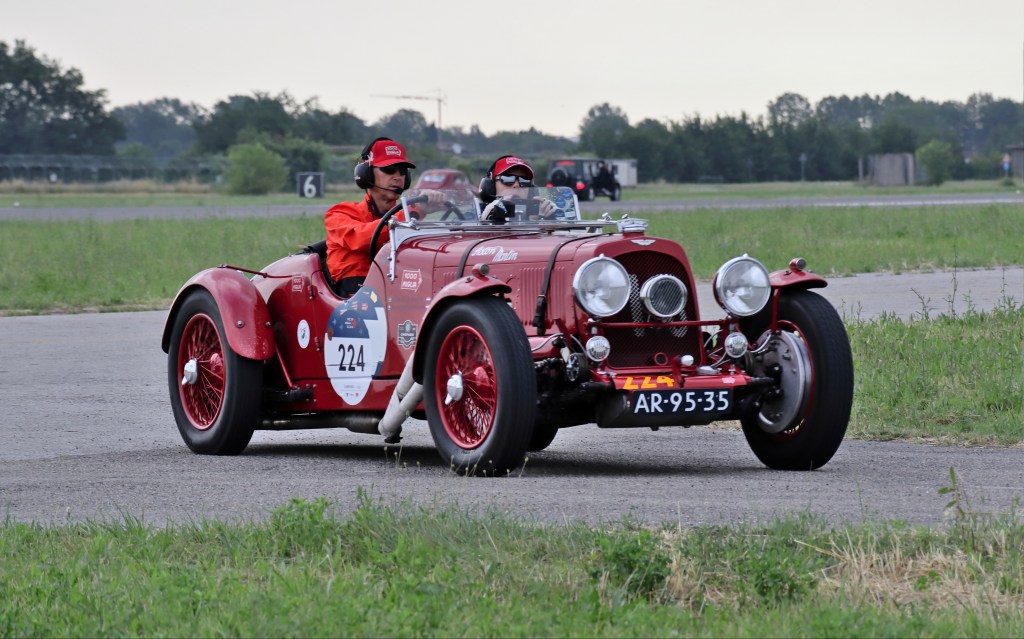
Unlike traditional circuit racing, the Mille Miglia was a road race, meaning competitors navigated live traffic, unpredictable terrain, and the elements. It became the ultimate test of both man and machine, attracting the finest automakers of the time—Alfa Romeo, Ferrari, Maserati, Bugatti, and Mercedes-Benz—all eager to etch their names into automotive history.
The Golden Age: Speed Meets Style
Throughout the late 1920s to the 1950s, the Mille Miglia became synonymous with innovation and performance. Automakers used it as a proving ground to push the limits of engineering. It was in this crucible of competition that icons like the Alfa Romeo 8C 2900, Ferrari 166 MM Barchetta, and Mercedes-Benz 300 SLR were forged.
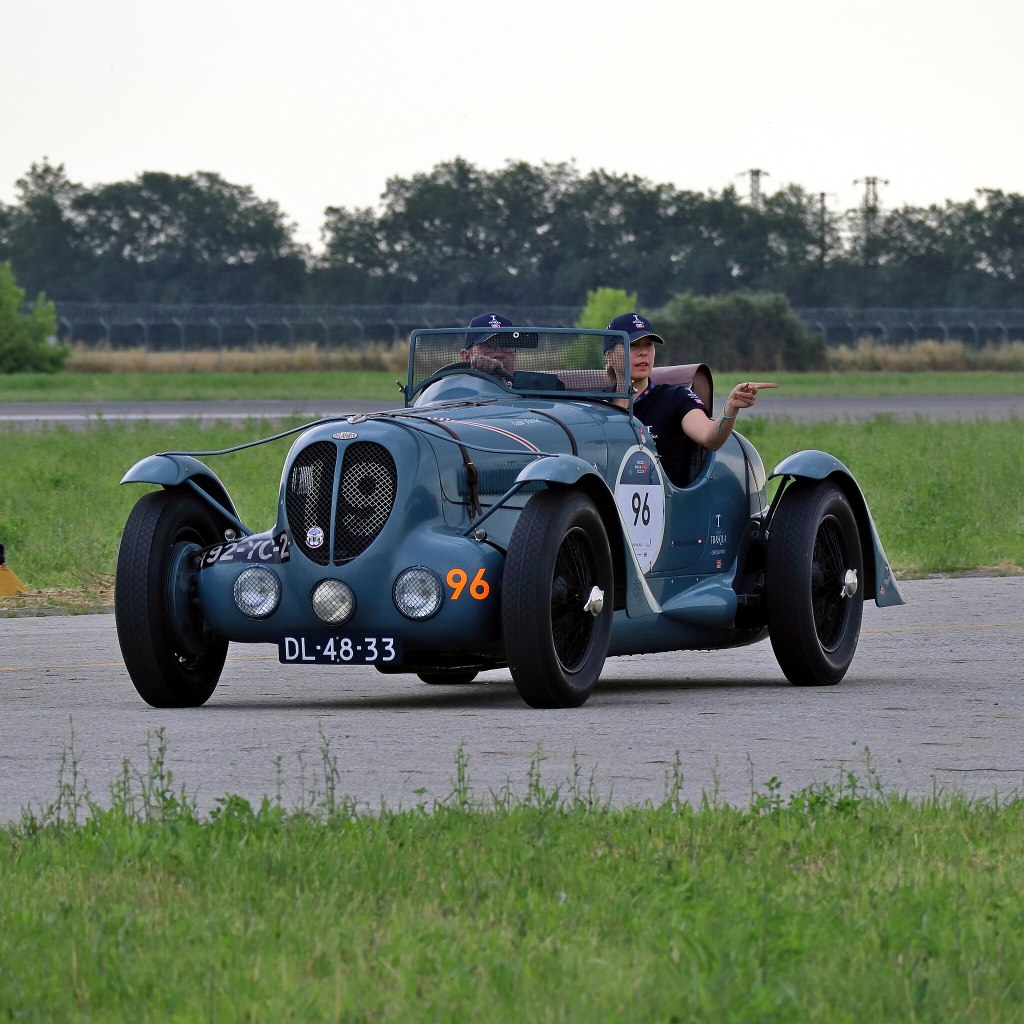
One of the most legendary victories came in 1955 when British racing driver Stirling Moss and navigator Denis Jenkinson shattered records in a Mercedes-Benz 300 SLR, completing the course in just 10 hours, 7 minutes, and 48 seconds—an average speed of nearly 98 mph (158 km/h). Their meticulous preparation, handwritten pace notes (a precursor to modern rally co-driving), and fearless execution cemented their place in Mille Miglia folklore.
The Race That Changed Motorsports Forever
Despite its glory, the Mille Miglia was not without peril.
With speeds soaring and safety measures limited, the race saw numerous tragic accidents. The most devastating occurred in 1957 when a crash claimed the lives of both spectators and drivers. The Italian government, under growing pressure to prioritize safety, made the difficult decision to end the Mille Miglia as a competitive race.
But legends never die—they evolve.
Mille Miglia Reborn: A Celebration of Heritage
In 1977, the Mille Miglia returned—not as a high-speed competition but as a celebration of classic automotive excellence. The modern-day Mille Miglia is a historic rally featuring vintage cars that originally participated in the race from 1927 to 1957. Today, the event is an exclusive, invitation-only gathering of the world’s rarest and most exquisite classic cars, drawing collectors, celebrities, and automotive enthusiasts from across the globe.
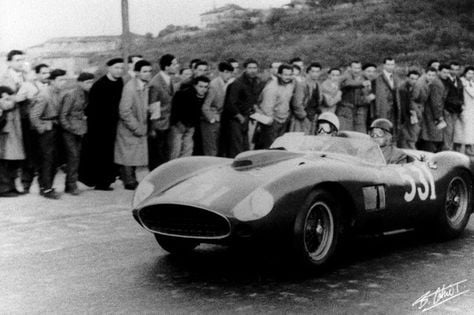
Each year, these classic beauties retrace the original route, winding through Italy’s most enchanting landscapes. The event is less about raw speed and more about honoring the craftsmanship, innovation, and legacy of the automobiles that once dominated the race.
Why Mille Miglia Still Matters
In an era of electric supercars and autonomy, the Mille Miglia still captivates with its nostalgia, heritage, and exclusivity. It harks back to a time when driving was an art, road racing an adventure, and cars had unique personalities.

For classic car collectors, it’s the ultimate bucket-list event—not just showcasing vintage Ferraris or Alfa Romeos, but reliving history on roads unchanged for nearly a century.
Beyond romance, Mille Miglia preserves automotive heritage, keeping these machines alive for future generations and fostering a passionate community dedicated to restoration and preservation.
Final Thoughts: A Timeless Legacy
The Mille Miglia has evolved from a high-speed race to a refined celebration, yet its spirit remains untamed. It fuels the passion of classic car enthusiasts, proving that legends don’t fade—they evolve.
For those who experience it, the Mille Miglia is more than an event; it’s a pilgrimage to automotive history, where past and present merge on Italy’s open roads. As long as vintage engines roar and the thrill of the journey endures, this iconic rally will continue to inspire generations.

 The Auto Herald- The Drive Behind Every Story