

In a groundbreaking move, SEAT has begun production of the SEAT Arona with components made from rice husks—a natural by-product transformed into a renewable material. This marks a significant shift in sustainable manufacturing, aligning innovation with environmental responsibility.
The Journey from Field to Factory
The SEAT Arona is the first car to feature two double-floor support parts made from Oryzite, a material created using rice by-products.
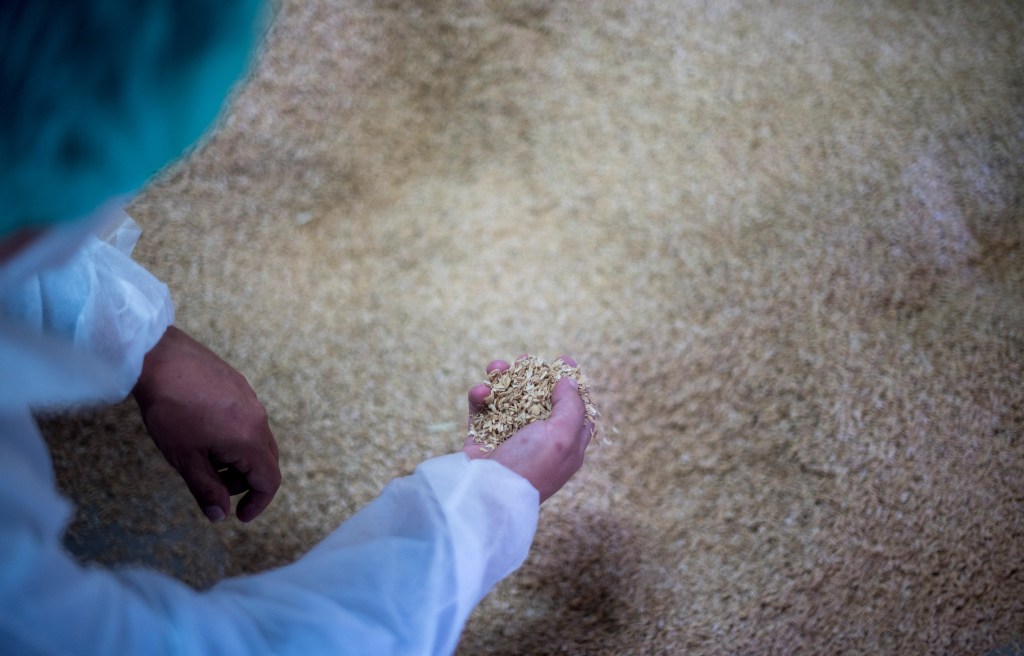
Developed through a pilot test initiated in 2020 during SEAT’s Innovation Days, this achievement is the result of years of collaborative research with Oryzite and SIGIT. The parts are now fully integrated into SEAT Arona’s production model.
Five Tonnes of Waste, Purposefully Reused
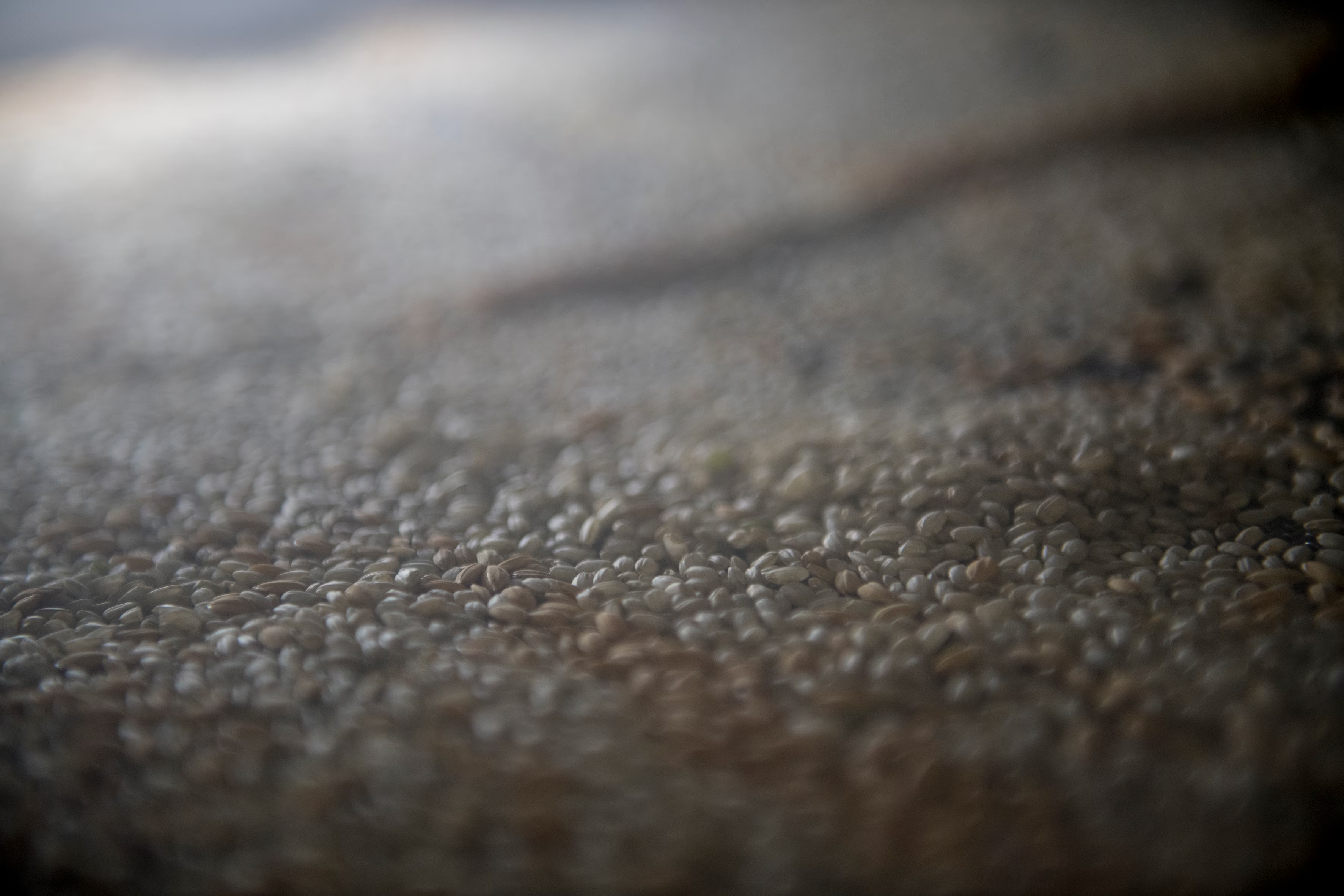
Each SEAT Arona now contains 60 grams of rice husks—adding up to an annual use of five tonnes of rice residue that would otherwise end up in landfills. These husks originate from the Ebro Delta, a biosphere reserve on Spain’s east coast.
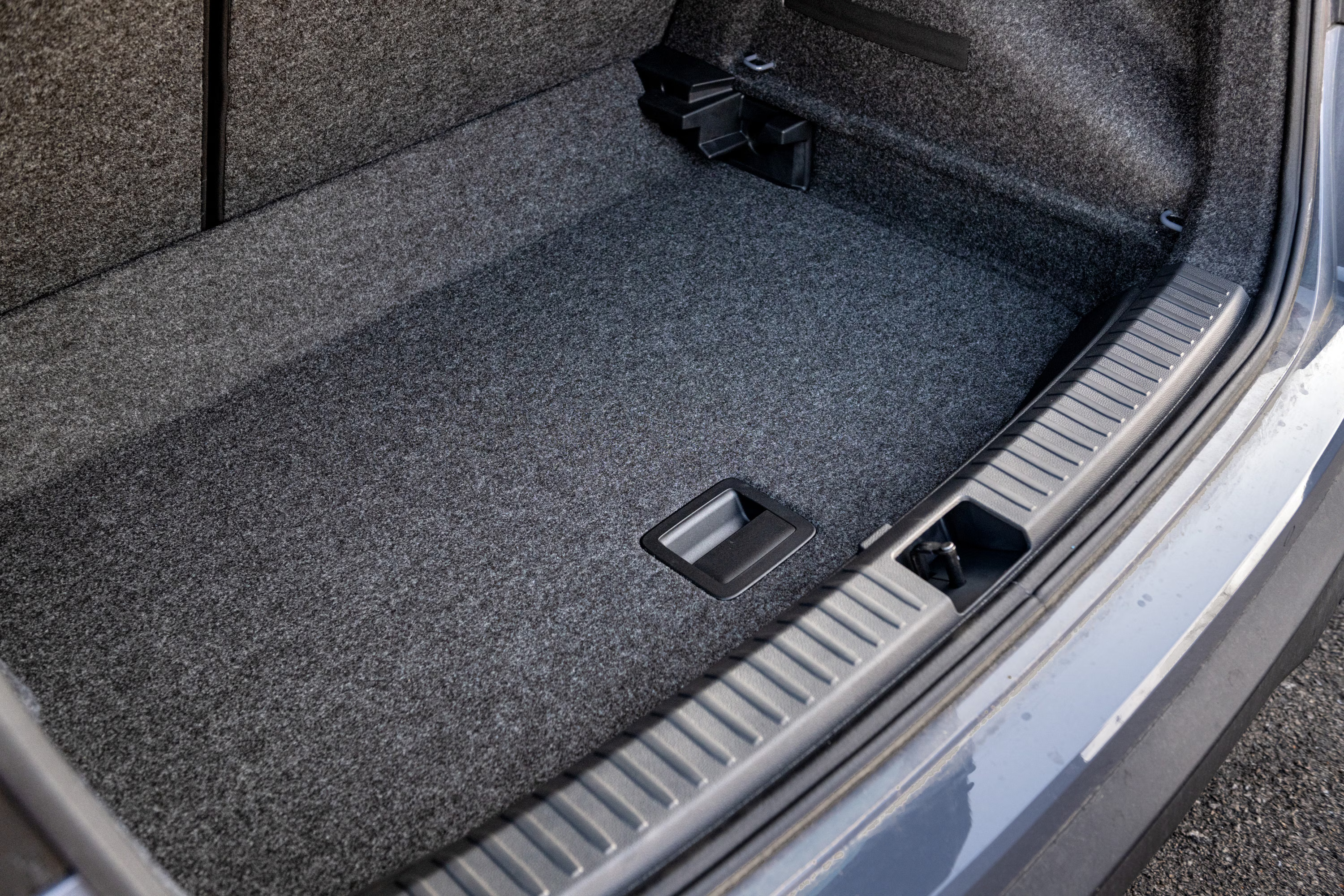
Although visually identical to previous versions, the boot’s double-floor support now contains 15% Oryzite alongside conventional materials like polypropylene and fiberglass.
Reducing Plastic, Enhancing Efficiency
Incorporating Oryzite is a win-win. According to Gerard Suriol from SEAT S.A.’s Technical Centre, “We’ve successfully managed to incorporate this renewable material and encourage the circular economy, while reducing the use of petroleum-based products.”
The switch also reduces the weight of each part by 5.8% and lowers production costs by up to 2%. Oryzite, in addition to being renewable, acts as a carbon sink and offers a vital link between agriculture and industry.
Looking Ahead
SEAT’s latest innovation in the Arona demonstrates how automotive design can align with environmental stewardship. By adopting rice husk-based materials, SEAT ushers in a new chapter of ecological responsibility in automotive production.



 The Auto Herald- The Drive Behind Every Story