
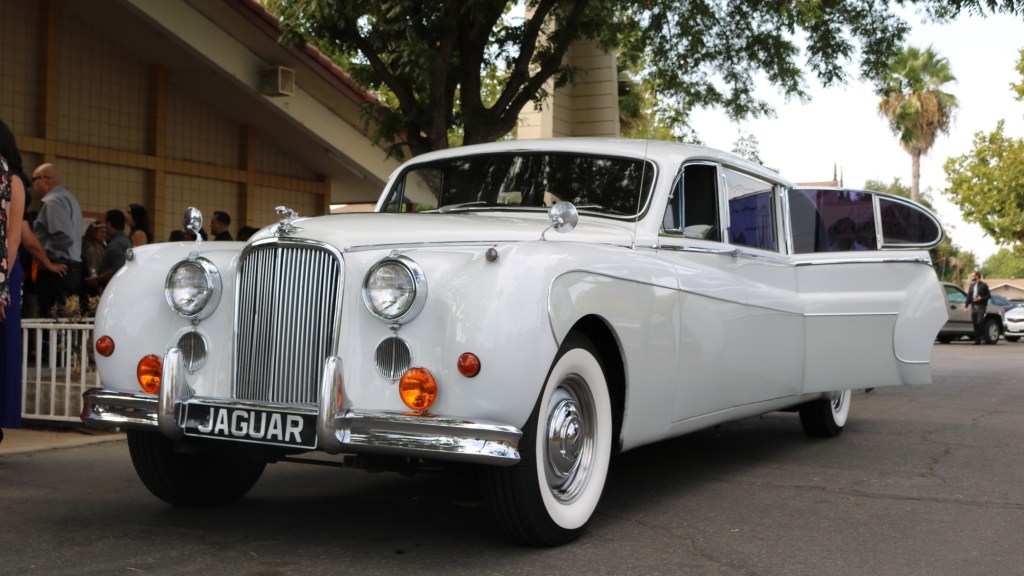
Every classic car enthusiast remembers the moment they fell in love with vintage machines. Perhaps it was the deep rumble of a 1969 Ford Mustang roaring down the highway or the elegant silhouette of a 1920s Chrysler Model B-70 gliding through a parade. These cars aren’t just vehicles; they’re pieces of history, rolling stories crafted from steel, leather, and time.

But how do we distinguish between “classic,” “antique,” and “vintage” cars? These terms often create confusion, but they reflect unique attributes based on age, historic status, and value.
Key Differences: Age, Historic Status, and Price
Age
- Vintage Cars: Manufactured between 1919 and 1930, these rare finds are prized for authenticity, often restored to original specifications.
- Antique Cars: Vehicles over 45 years old (pre-1975), typically reserved for restoration projects or car shows.
- Classic Cars: Cars over 20 years old (pre-2000), commonly used for driving, restoration, or showcasing.
Historic Status
U.S. states offer special plates like “Vintage Vehicle” or “Historic Car,” recognizing collector vehicles with limited road use.

Price
While not a defining factor, rarity, desirability, and condition heavily influence value.
Vintage Cars: The Dawn of an Era
Think It’s 1925, and a polished Ford Model A sparkles in the sunlight on a dirt road. This was the golden age of vintage cars, built between 1919 and 1931. These vehicles embodied post-World War I ingenuity and progress. Driving a vintage car is like stepping into a time capsule—an era of crank starts, manual brakes, and the rise of America’s car culture.

Vintage cars like the Chrysler Model B-70 weren’t just transportation; they were marvels of design, pioneering the early automotive standards. Their charm lies in their simplicity and raw mechanical beauty.
Classic Cars: The Icons of the Road
Fast forward a few decades to the muscle car era. The streets are alive with the thunderous roar of a Dodge Charger, its engine humming with untamed power. The 1960s and 70s brought a revolution in automotive design. While technically, a car becomes “classic” after 20 years, the label often conjures images of American-made icons: the Chevy Camaro, Pontiac GTO, or a Ford Thunderbird cruising along Route 66.

These vehicles don’t just transport—they stir the soul. They symbolize freedom, rebellion, and a love affair with speed. A classic car isn’t just a collector’s item; it’s a love letter to the era it was born in.
Antique Cars: Timeless Treasures
The term “antique” evokes images of hand-cranked engines and sweeping fenders. Cars over 25-45 years old earn this designation depending on state laws, but the term suggests more than just age. An antique car is a treasure, preserved not for utility but for posterity.

Antique cars, like the 1935 Auburn Speedster, carry stories of innovation and resilience. They remind us of a time when cars were handcrafted with precision, meant to last lifetimes. Owning one isn’t just about driving—it’s about preserving history.
The Legal Landscape: Classic vs. Antique
Classifying cars isn’t just about nostalgia—it has practical implications. For example, states like Missouri allow vehicles 25 years or older to register as historic. This distinction often comes with perks like waived inspection requirements and reduced fees. However, mileage restrictions and special license plates are common, emphasizing these vehicles’ role as collectibles, not daily drivers.

For collectors, understanding these legal nuances ensures your cherished car is properly classified, appreciated, and preserved.
Why It Matters
Cars like these are more than machines—they’re storytellers.

They bridge generations, spark conversations, and preserve a legacy of human ingenuity. Whether you’re driving a classic Mustang on a Sunday cruise, showcasing a vintage Model A at a car show, or marvelling at the history behind an antique Rolls-Royce, these cars remind us of the beauty of craftsmanship and the joy of the journey.
Your Journey Starts Here
Are you ready to travel on your own journey through automotive history?
Whether you’re a seasoned collector or a curious enthusiast, we are here to guide you. With expert restoration services and a shared passion for these timeless machines, we help you keep the stories alive—one car at a time.



 The Auto Herald- The Drive Behind Every Story