

It’s 1959, and post-war Britain is grappling with fuel shortages and rising costs.
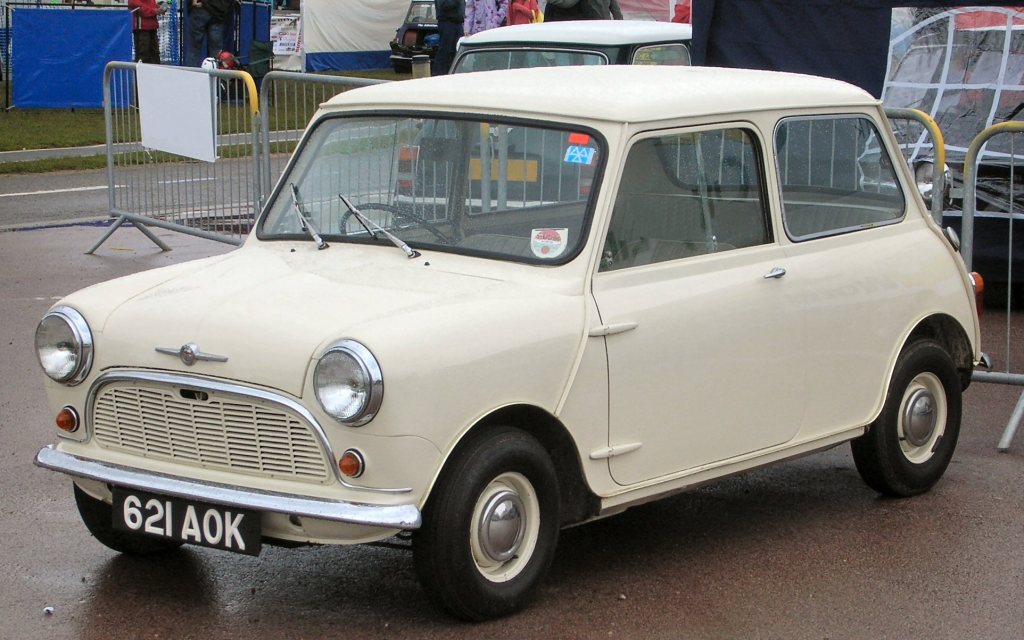
Families need an affordable, fuel-efficient car, and the British Motor Corporation (BMC) answers the call with a tiny yet revolutionary vehicle—the Mini. Little did they know, this unassuming car would redefine the automotive world, become a cultural icon, and capture the hearts of millions across generations.
Born from Necessity, Engineered for Greatness
Designed by Sir Alec Issigonis, the Mini was an engineering marvel. Issigonis sketched his vision on a napkin—he wanted to create a small car that could fit four adults comfortably while keeping fuel consumption minimal. The result was a ultimate front-wheel-drive layout with a transverse engine, maximizing interior space. The car’s unique design gave birth to what we now call the “compact car segment.”
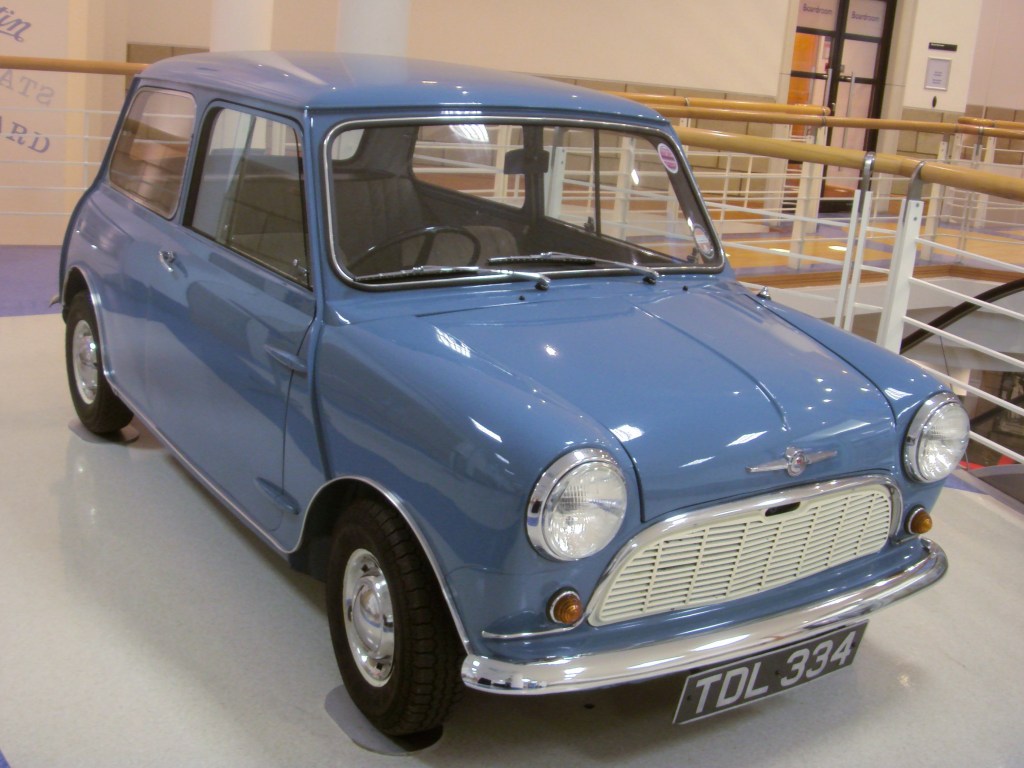
At just 10 feet long, the Mini made efficient use of every inch. The wheels were pushed to the corners, giving it unmatched agility and a go-kart-like feel, which soon made it a favorite among racing enthusiasts.
A Star is Born: The Mini in Pop Culture
By the 1960s, the Mini was more than just a car—it was a symbol of British cool. It zipped through the streets of swinging London, driven by celebrities like The Beatles, Steve McQueen, and even Queen Elizabeth II. The Mini wasn’t just practical; it was stylish, rebellious, and undeniably fun.

Perhaps the most iconic moment in its pop culture journey came in 1969 with The Italian Job. Watching Minis weave through the streets of Turin, dodging traffic and evading police in the ultimate heist getaway, cemented the car’s status as a cinematic legend.
The Mini and Motorsport: Punching Above Its Weight
While the Mini’s adorable design made it a favorite on city streets, its racing capabilities took many by surprise. Under the guidance of John Cooper, a renowned racing engineer, the Mini was transformed into the Mini Cooper—a performance version that stunned the motorsport world.
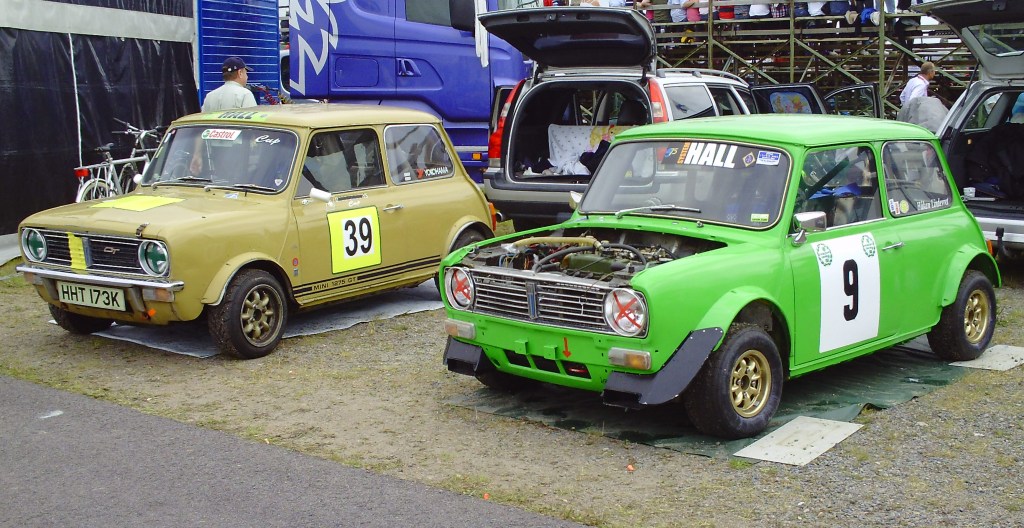
Despite its small stature, the Mini Cooper dominated the Monte Carlo Rally in the 1960s, winning in 1964, 1965, and 1967. It outperformed larger, more powerful cars purely through its superior handling, lightweight body, and nimbleness. These victories cemented its reputation as a giant slayer.
Evolution: From Classic to Modern Mini
Despite its immense popularity, production of the original Mini ceased in 2000. But its legacy lived on. BMW acquired the brand and reimagined the Mini for the 21st century, launching a modern version in 2001. While larger than its predecessor, the new Mini retained the spirit of the original—its iconic styling, fun-to-drive nature, and urban agility.
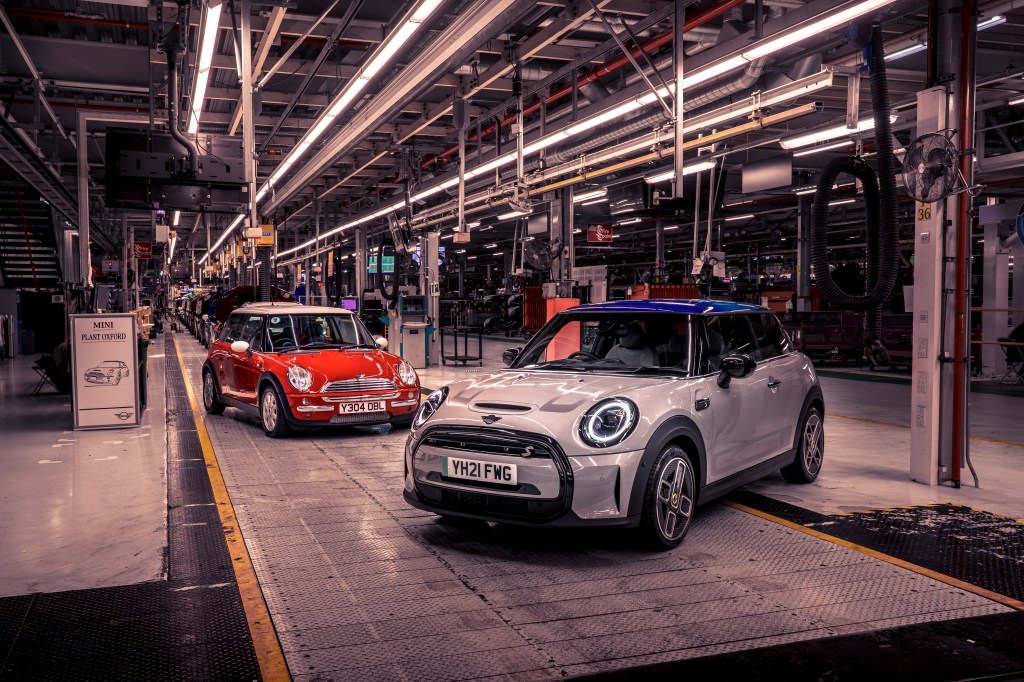
Over the years, the Mini lineup has expanded to include performance models, electric versions, and even crossovers. Yet, at its core, the Mini remains a car that blends heritage with innovation, proving that good design is timeless.
Why the Classic Mini Still Matters?
Decades after its launch, classic Minis are still cherished by enthusiasts worldwide. From meticulously restored originals to electric conversions, the Mini continues to evolve while maintaining its essence. Car clubs, rallies, and restoration projects ensure that this tiny titan will never be forgotten.
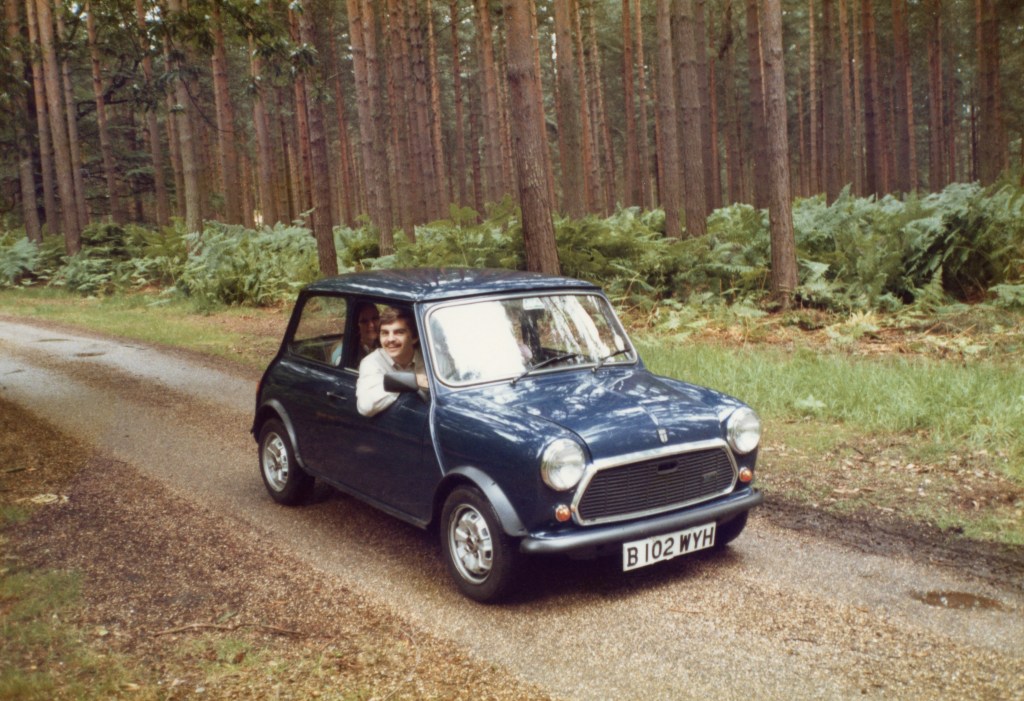
The Mini’s story is one of ingenuity, resilience, and pure driving joy. It reminds us that the best things in life don’t always come in big packages—and sometimes, a small car can make the biggest impact.
So, if you’re a lifelong Mini lover or new to the legend, one thing is certain—the Mini is more than just a car. It’s a revolution on wheels, a best example of brilliant engineering, and a timeless symbol of driving pleasure.


 The Auto Herald- The Drive Behind Every Story