

With the last few models of the Valkyrie hypercar slated to have rolled off the production line at the end of 2024, Aston Martin have a hole in the lineup that hasn’t been filled in a while. Between the Valkyrie sitting at the top, and all the sportscars and GTs like the Vantage and the Vanquish down low, the British marque needs a supercar silo – a prince to the king that is the Valkyrie. Say hello to the Aston Martin Valhalla.
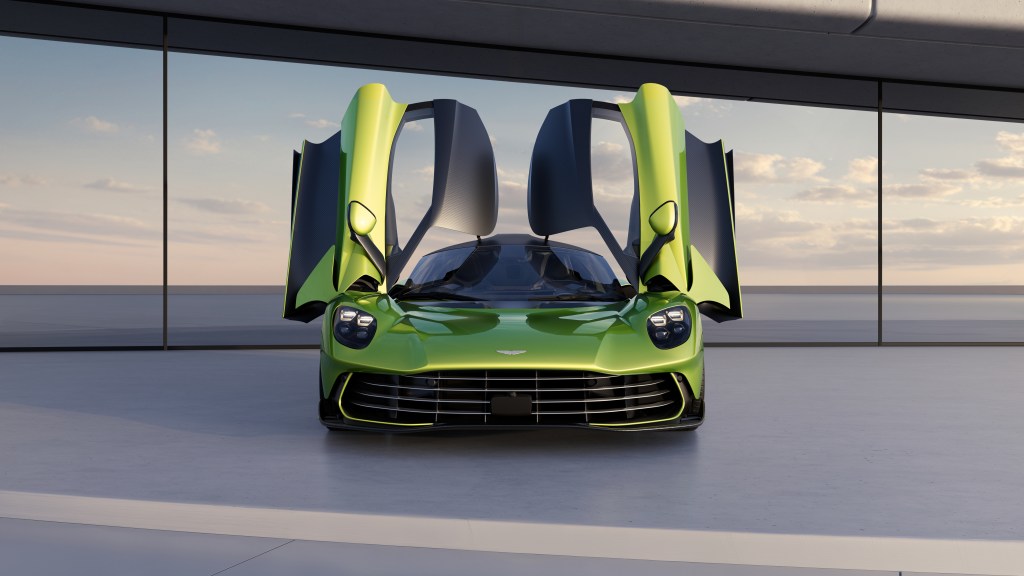
As is custom, the Valhalla continues the lineage of models beginning with ‘V’, and highlighting its connection to the Valkyrie, also carries on the Norse roots reserved for models that have their genesis in the collaboration with Red Bull Racing (RBR). However, unlike the Valkyrie, the Valhalla embraces the electrified future we are heading to, featuring a plug-in hybrid powertrain. It is also Aston’s first series production mid-engine supercar, and their first to have EV-only driving capability.

Mythical name, futuristic heart
Under the skin, the Valhalla features a bespoke 4.0L twin-turbo V8 that generates 817 hp, and three electric motors push another 247 hp, bringing the total to 1064 hp and 1100 Nm of torque. Of the three motors, two are mounted on the front axle, and the third is built into the newly developed 8-speed DCT transmission, channeled to the rear wheels.

The hybrid system is designed in a manner to complement the ICE unit, using the motors to smoothen any dips and delays courtesy the turbos. Unlike other Astons using a similar displacement V8, the engine in the Valhalla has a flat-plane crankshaft, new camshafts, new exhaust manifolds, better turbos and is dry-sumped, a telling sign of Aston’s aspiration for this vehicle as a do-it-all supercar.
Racing pedigree at its finest
The Valhalla is engineering around a bespoke carbon fibre tub that draws inspiration from F1. As a collaboration with RBR, the chassis, suspension and brakes have been developed with the know-how that comes with a rich motorsport heritage. Pushrod suspension at the front, 5link setup at the rear, carbon ceramic brake discs all around, active aero that provides ample cooling to said brakes – the development team have taken out all the stops,
Function over form? Nope, function AND form
With regards to the exterior, the Valhalla endorses the Valkyrie’s aesthetics, underlining its baby brother status in the lineup, toned down in all the raw aspects of the Valkyrie. It still possesses dihedral doors, mind you – sheer presence and aura run deep in this bloodline. Aston offers the carbon body painted or exposed, and a choice between forged aluminium and lightweight magnesium wheels.
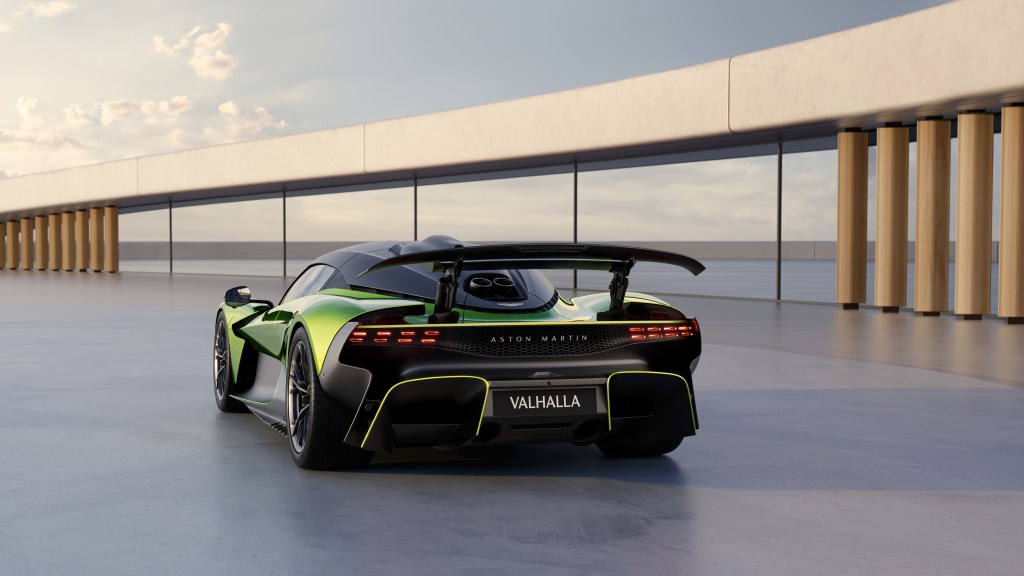
As part of the aero package, the doors, the roof and the rear end all contribute with scoops, tunnels and ducts to improve airflow. However, the Valhalla does away with a fixed rear wing, choosing to not interrupt the smooth design of the vehicle during regular usage. During Race mode though, the rear wing stays up, helping generate over 600 kg of downforce all the way from 240 km/h to its electronically-limited top speed of 350 km/h.

Climb inside the Valhalla, and you’ll see how focused of a vehicle the Valhalla is touted to be. Minimal yet premium, using recycled forged carbon fibre all through the interior. Two screens display all the information you’d want, one serving as the instrument cluster and the other as the infotainment system. A flat-bottom steering wheel, and carbon bucket seats that appear fixed all help you embrace the locked-in nature of the Valhalla, even before you wake the beast up.
Verdict
Passed down the torch from the Valkyrie, the Valhalla has giant shoes to fill. It’s Aston’s vision of a supercar that gets the groceries in the morning, and sets tracks records in the evening, and Aston seem to have gotten everything right. Here’s to the Valhalla etching its name into the eternal pantheon of supercar glory, essentially living up to its name.

 The Auto Herald- The Drive Behind Every Story