

Eastern Bloc vintage cars occupy a unique and often underappreciated chapter. Produced under the communist regimes of the mid-20th century, these vehicles were not just means of transportation but symbols of resilience, ingenuity, and a vastly different economic reality.
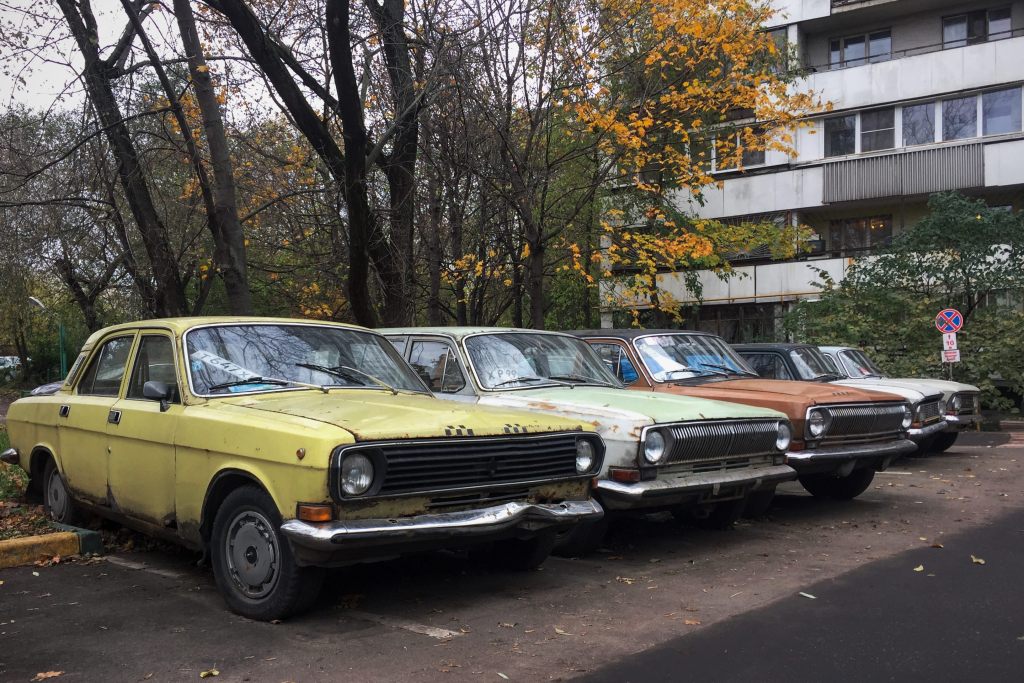
Today, a growing global interest in restoring and preserving these classic cars is shining a spotlight on their cultural and historical significance.
The Forgotten Heroes of the Eastern Bloc
During the Cold War era, countries like the Soviet Union, East Germany, Poland, and Czechoslovakia produced cars that were built to endure harsh climates, minimal resources, and economic constraints.

These vehicles, while lacking the glamour and performance of Western brands, showcased rugged engineering and practicality.
Icons of the Era
Some of the most notable cars from this period include:
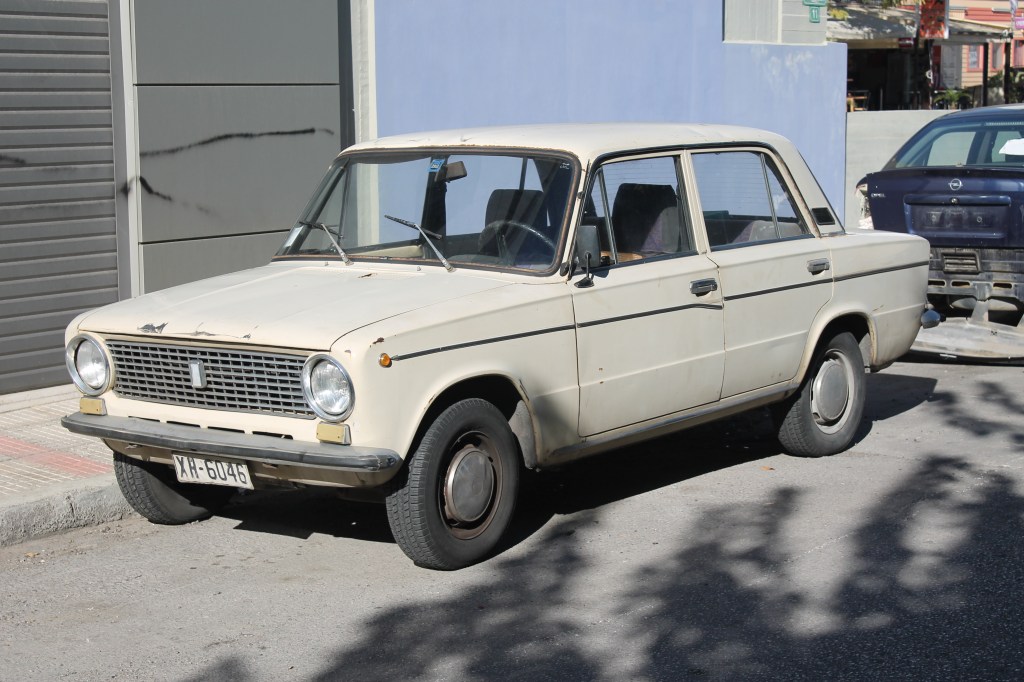
- Lada (Soviet Union): Known for its simplicity and reliability, models like the Lada 2101 became ubiquitous across the Eastern Bloc and beyond.
- Trabant (East Germany): Often dubbed “the car of the people,” the Trabant’s Duroplast body and compact design made it a staple for East Germans.
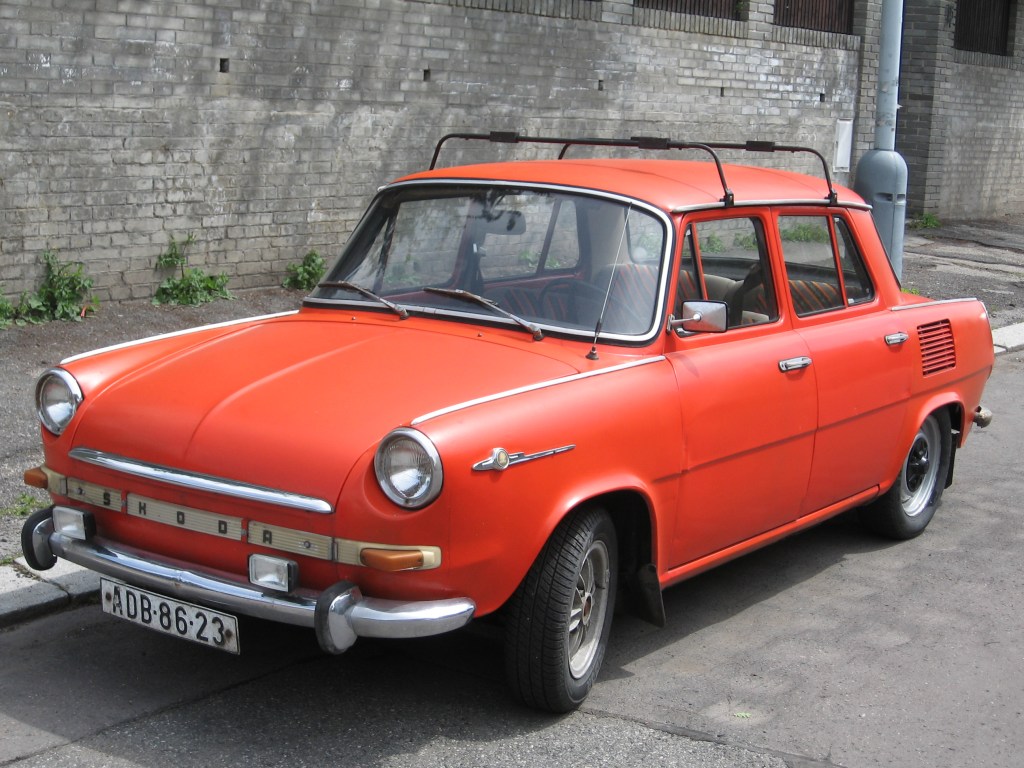
- Skoda (Czechoslovakia): The precursor to the globally renowned brand today, Skoda’s pre-1990 models like the Skoda 1000 MB were practical and innovative for their time.
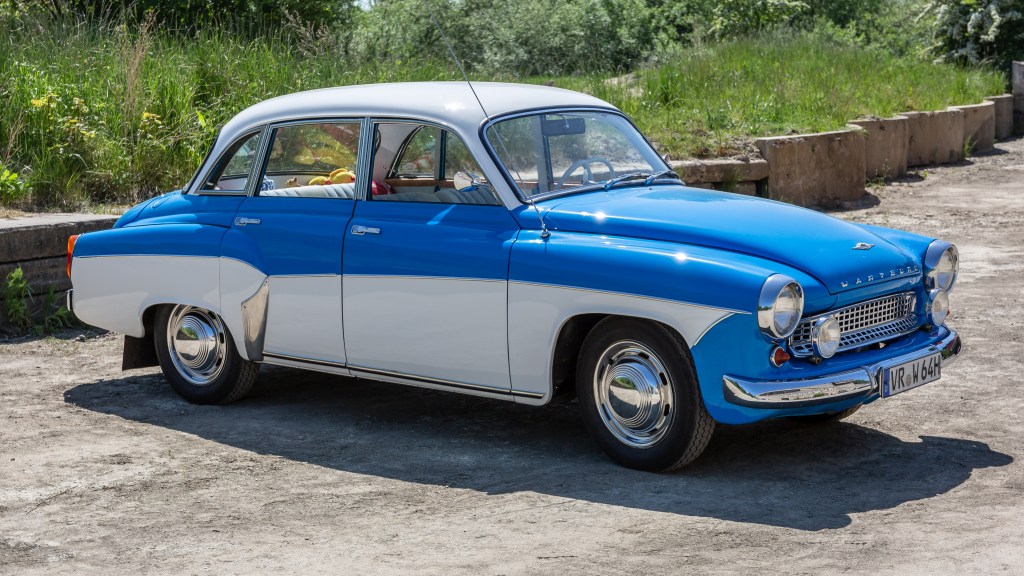
- Wartburg (East Germany): With its distinctive two-stroke engine, Wartburg cars offered surprising performance and durability.
Why the Interest in Eastern Bloc Vintage Cars?
The rise in interest for these vehicles can be attributed to several factors:
1. Nostalgia and Heritage
For many, these cars represent a tangible connection to their past. Collectors in Eastern Europe often seek to preserve a piece of their childhood or honor their families’ automotive legacy.
2. Global Curiosity
Collectors and enthusiasts from Western countries are drawn to these vehicles for their rarity and novelty. Owning an Eastern Bloc car is often seen as a conversation starter and a badge of a discerning collector.
3. Affordability
Compared to Western vintage cars, Eastern Bloc classics are often more affordable, making them an attractive entry point for new collectors.

4. Unique Challenges in Restoration
The quirks of these vehicles—such as their two-stroke engines or unusual materials—add an element of adventure to the restoration process.
The Restoration Renaissance
Restoring Eastern Bloc cars is not just about mechanical repair; it’s about cultural preservation. Restoration enthusiasts face several challenges:
1. Sourcing Parts
With production long ceased and many factories shuttered, finding original parts can be a daunting task. Collectors often rely on global networks or fabricate custom parts to keep their cars authentic.
2. Restoring Duroplast Bodies
In the case of the Trabant, its Duroplast body panels require specialized knowledge to restore without compromising the car’s unique character.
3. Balancing Authenticity and Modernization
While purists aim to maintain original specifications, others opt for subtle modern upgrades to improve reliability and safety without detracting from the car’s vintage appeal.
Communities and Events Driving the Trend
The preservation of Eastern Bloc cars has given rise to thriving communities and events around the world:
- Eastern European Car Clubs: Enthusiast groups in countries like Poland, Hungary, and the Czech Republic organize rallies and meetups.
- International Gatherings: Events like the Trabi Treffen in Germany celebrate the Trabant and other Eastern Bloc icons.
- Online Forums and Markets: Platforms like HW Classic Cars and specialized Facebook groups connect enthusiasts globally, facilitating the exchange of parts, advice, and stories.
Cultural Significance
Restoring Eastern Bloc cars goes beyond aesthetics; it’s an effort to preserve a forgotten way of life. These vehicles offer a lens into the ingenuity and constraints of communist-era societies. They tell stories of resourcefulness, perseverance, and the dreams of ordinary people who aspired for mobility in challenging times.
The Future of Eastern Bloc Classics
As interest grows, Eastern Bloc cars are poised to gain recognition alongside their Western counterparts.
Experts believe their affordability and unique appeal will continue to attract collectors, potentially driving up their value over time. Moreover, as the younger generation of Eastern Europeans grows more aware of their cultural heritage, the preservation of these vehicles may become a shared mission.
A Passion for the Past
The preservation of Eastern Bloc vintage cars is more than a hobby—it’s a movement to honor history, celebrate innovation under adversity, and keep alive the stories of a bygone era.
Whether it’s a Lada cruising the streets of Moscow, a Trabant turning heads in Berlin, or a Skoda finding new life in Prague, these cars are proving that they’re more than relics—they’re icons worth cherishing.
For collectors and enthusiasts, the journey of restoring and preserving these cars is as rewarding as the final product itself.
After all, the value of these vehicles lies not only in their rarity but also in the rich stories they tell.

 The Auto Herald- The Drive Behind Every Story