
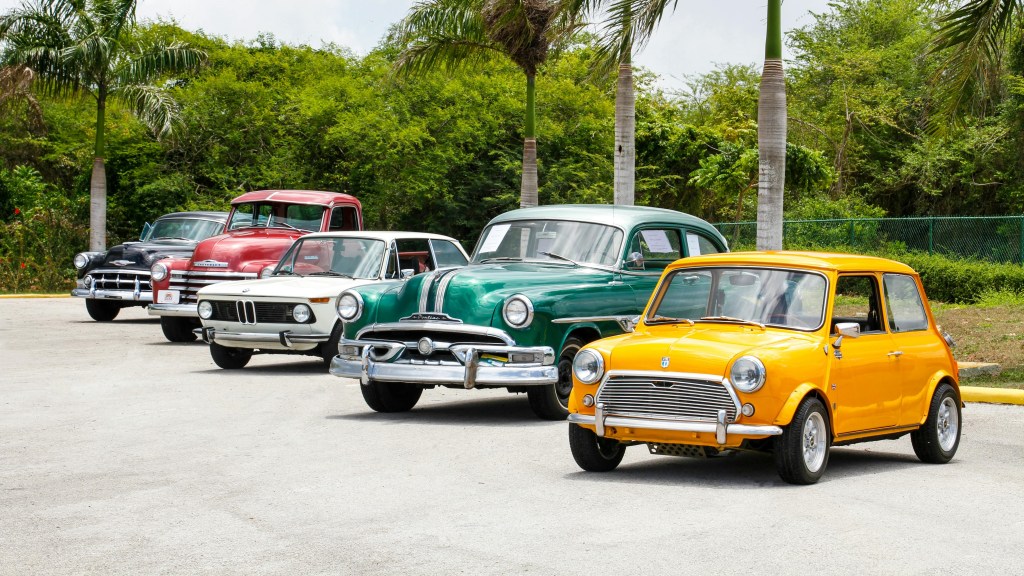
When we think of classic cars, images of elegant curves, roaring engines, and nostalgic charm come to mind. But in today’s eco-conscious world, the question arises: can vintage cars, symbols of a bygone era, coexist with sustainability?
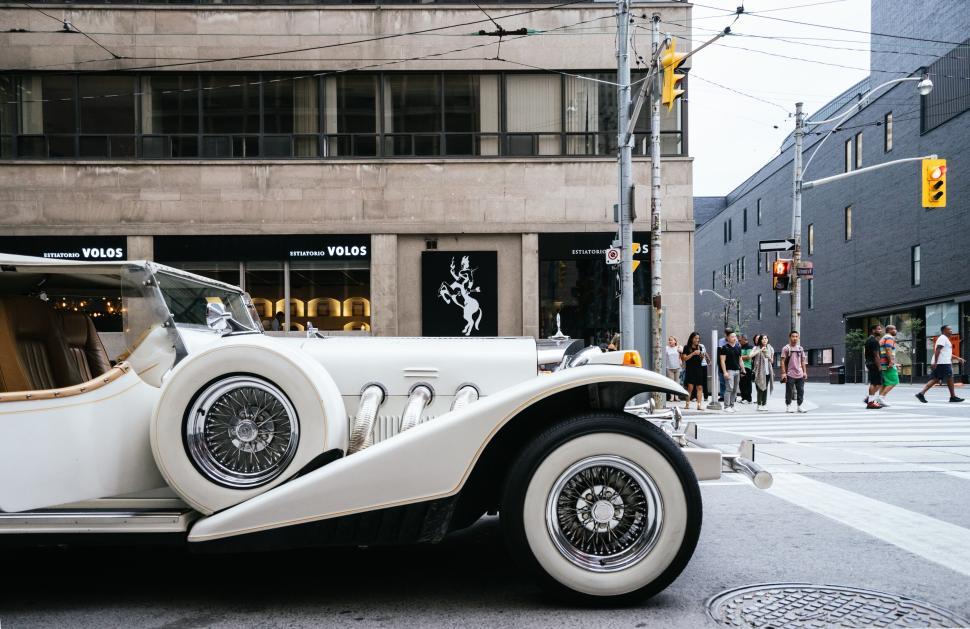
Surprisingly, the answer is yes. With innovative approaches and mindful practices, vintage cars can embrace greener futures while preserving their classic allure.
The Carbon Case for Keeping Classics
Many argue that maintaining classic cars is inherently sustainable. The environmental cost of manufacturing a new vehicle is high;
it’s estimated that producing a single new car requires nearly 1,000 gallons of gasoline.
By extending the lifespan of vintage cars, collectors avoid the substantial carbon footprint tied to the production of modern vehicles.
In this sense, owning a vintage car aligns with the mantra of “reduce, reuse, recycle.”
Electric Conversions: A Modern Green Revolution
One of the most transformative ways to make vintage cars eco-friendly is through electric conversions. By swapping traditional internal combustion engines for electric drivetrains, classic cars can achieve carbon-free operation. Companies specializing in such conversions have grown in number, offering custom solutions that retain the car’s original charm while enhancing performance and longevity.
Electric conversions come with added benefits:
- Lower Maintenance: Electric motors require fewer repairs compared to traditional engines.
- Extended Lifespan: By upgrading outdated components, the vehicle remains roadworthy for decades.
- Zero Emissions: This shift aligns with global efforts to curb greenhouse gas emissions.
However, these conversions can be expensive, often costing tens of thousands of dollars, and purists worry they compromise the authenticity of the car’s original design. For some, the heart of a vintage car lies in the rumble of its original engine.
Driving Less, Driving Sustainably
Vintage cars are rarely daily drivers. They are often taken out for special occasions or leisurely weekend drives, meaning their overall environmental impact is relatively low. By limiting mileage, classic car enthusiasts naturally minimize their vehicles’ contribution to carbon emissions compared to frequently-used modern cars.
The Repair, Reuse, and Recycle Philosophy
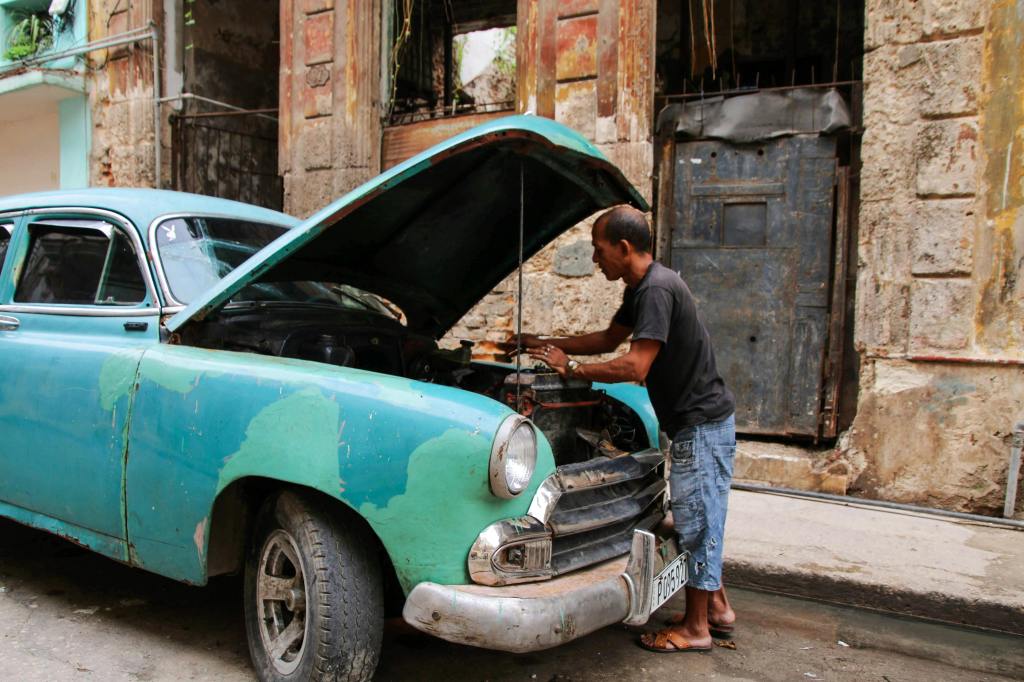
The classic car community thrives on restoration, which is inherently sustainable.
Rather than discarding parts, enthusiasts repair or repurpose them. From sourcing vintage components to the restoration of original interiors, every act of maintenance contributes to reducing waste.
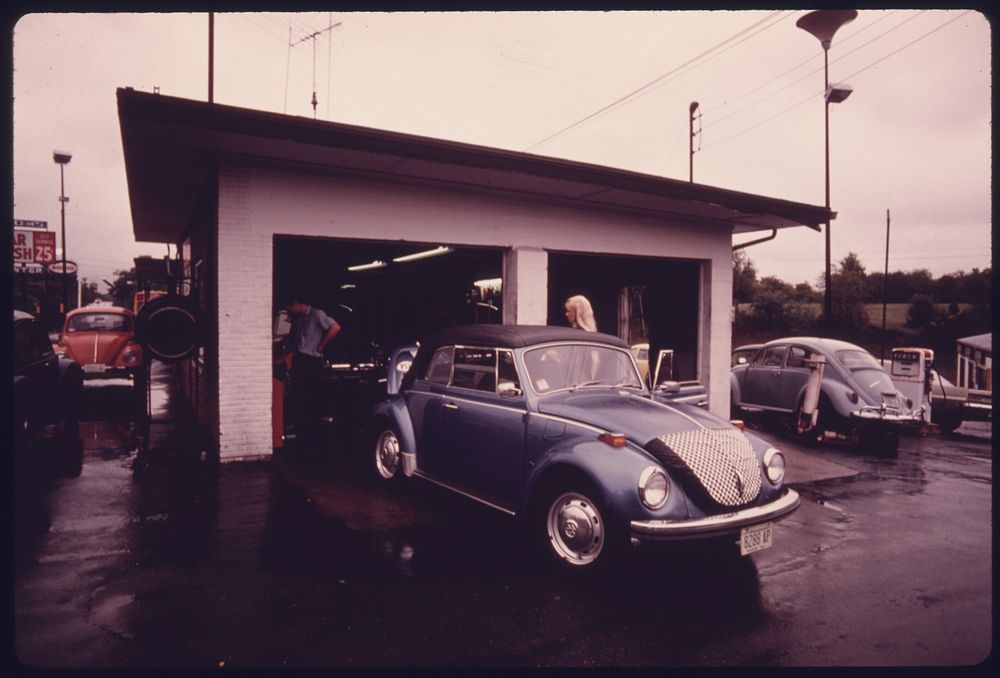
Recycling also plays a key role. Discarded materials, such as metals and old upholstery, are often given new life, ensuring the car’s legacy is preserved without relying heavily on new resources. This repair-first mindset demonstrates how passion for preservation aligns with sustainability.
Biofuels and Synthetic Fuels: A Middle Ground
For those unwilling to part with their car’s original engine, biofuels and synthetic fuels offer a compelling alternative. These fuels, derived from renewable sources, produce fewer emissions compared to traditional gasoline. Though not completely carbon-neutral, they represent a step toward making classic cars more eco-friendly without altering their mechanical essence.
Rethinking Ownership: Sharing and Community Efforts
Car-sharing platforms and classic car clubs encourage a communal approach to vintage car ownership. Instead of each enthusiast owning multiple vehicles, sharing access to classic cars spreads their use and reduces the need for additional production. Clubs and events also promote sustainable practices, such as group restorations and eco-friendly road rallies.
Challenges on the Road Ahead
While many strides have been made to green the world of vintage cars, challenges remain. Electric conversions, for instance, can be cost-prohibitive for many enthusiasts. The technology for synthetic fuels is still in its infancy and not widely accessible. Additionally, there’s the debate between maintaining a car’s originality versus embracing modern modifications.
Finding Balance Between Luxury and Sustainability
The future of classic cars lies in a balance between preservation and innovation. Whether it’s through accepting electric conversions, using sustainable fuels, or simply driving less, vintage car enthusiasts have a variety of ways to reduce their environmental impact without sacrificing the joy and beauty of classic cars.
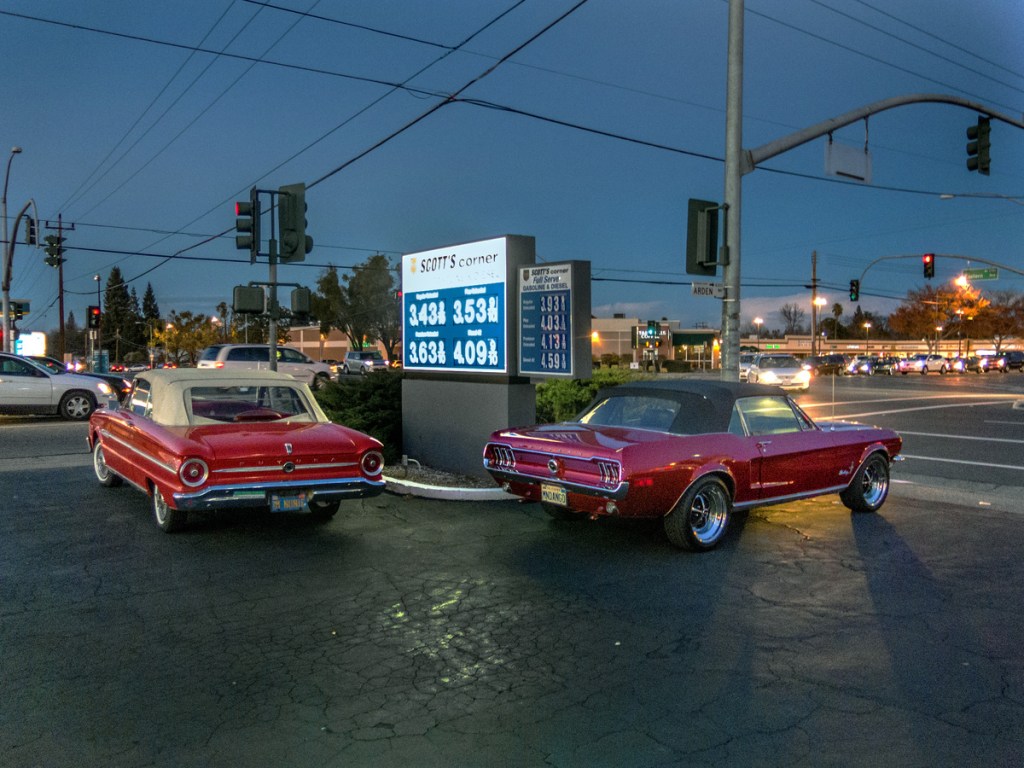
The intersection of sustainability and luxury may seem paradoxical, but classic cars show us that it’s possible to blend the two.
By respecting the past while adapting eco-friendly practices, we can ensure these timeless beauties continue to captivate future generations—without costing the planet.


 The Auto Herald- The Drive Behind Every Story