

For decades, classic cars have significantly evolved from merely being modes of transportation to become symbols of culture, innovation, and elegance. These timeless machines are more than just modes of transport; they represent the dreams, engineering feats, and aesthetic brilliance of their respective eras.
Buckle up as we take you on a journey around the world, highlighting some of the most iconic classic cars that have left indelible marks in automotive history.
North America: The Reign of Muscle and Freedom
American classic cars are synonymous with raw power and sleek design. The 1960s and 70s saw a surge in the production of muscle cars—machines that were as powerful on the racetracks as they were on the open roads.
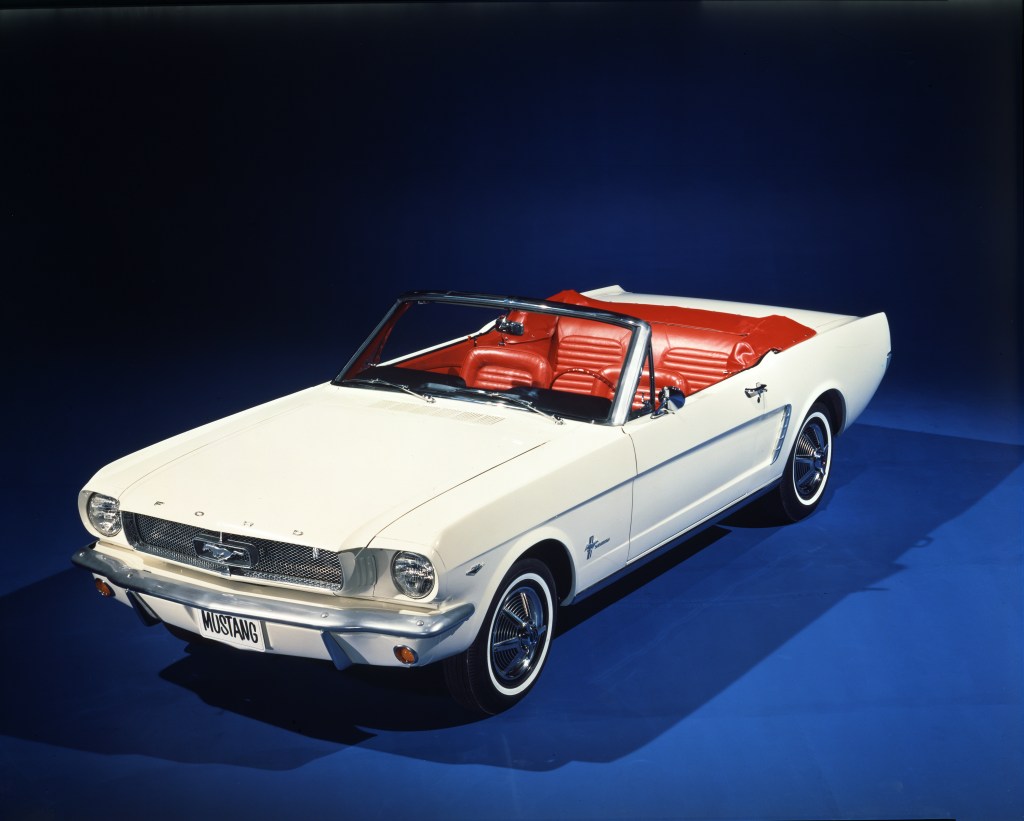
One cannot talk about American classics without mentioning the 1965 Ford Mustang. Launched to instant success, the Mustang became a cultural icon, embodying freedom and performance. With its distinctive long hood and short rear deck, this pony car continues to be adored by car enthusiasts worldwide.
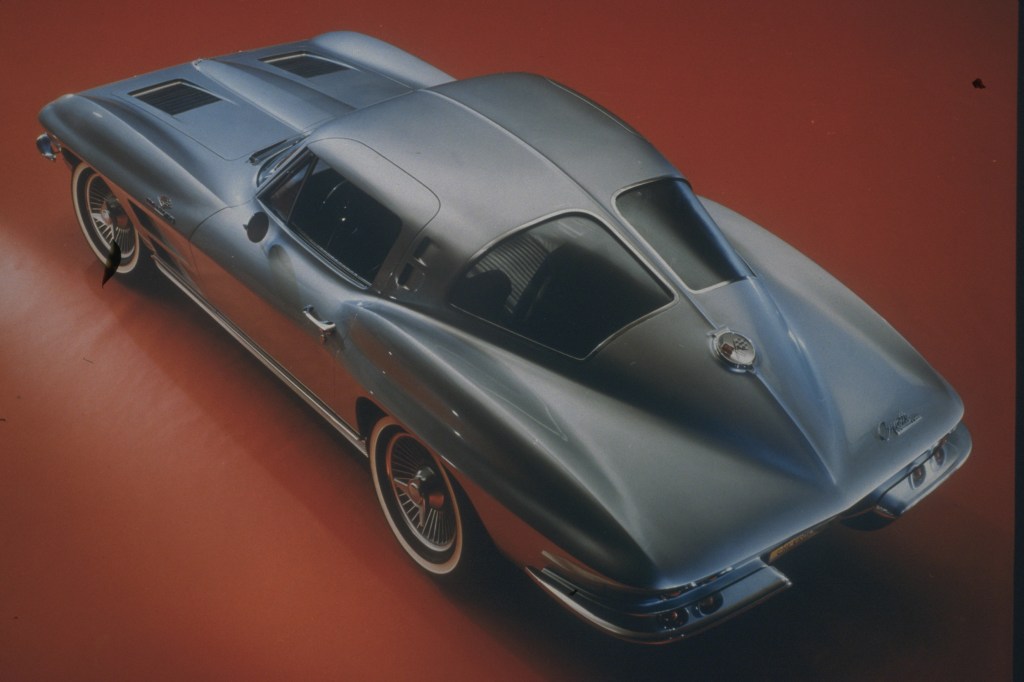
Another beast from the same era, the Chevrolet Corvette Stingray (1963), redefined sportscar performance in the U.S. Known for its aerodynamic design and powerful V8 engine, the Stingray was an engineering marvel and a hallmark of innovation from the 60s.
Europe: Elegance Meets Precision
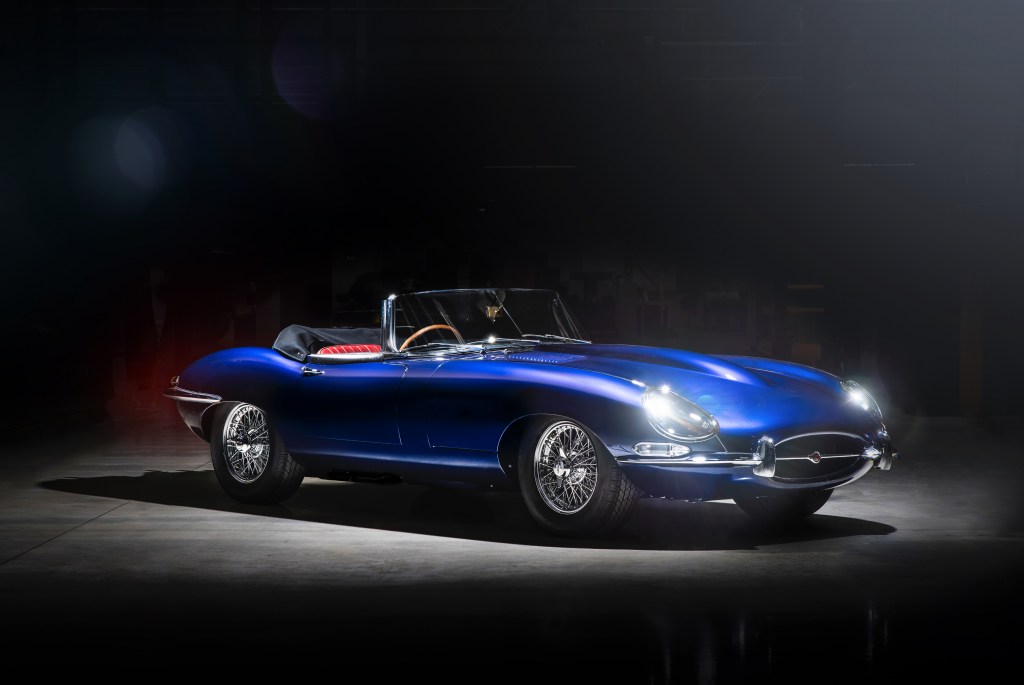
Europe has always led in design and precision, producing cars that are not only fast but also beautifully crafted. The Jaguar E-Type (1961) from Britain remains one of the most iconic symbols of luxury and speed. With its sleek lines, it was once described by Enzo Ferrari as the “most beautiful car ever made.” Its design, paired with a powerful 3.8-liter engine, ensured that the E-Type wasn’t just about looks; it was a high-performing machine.
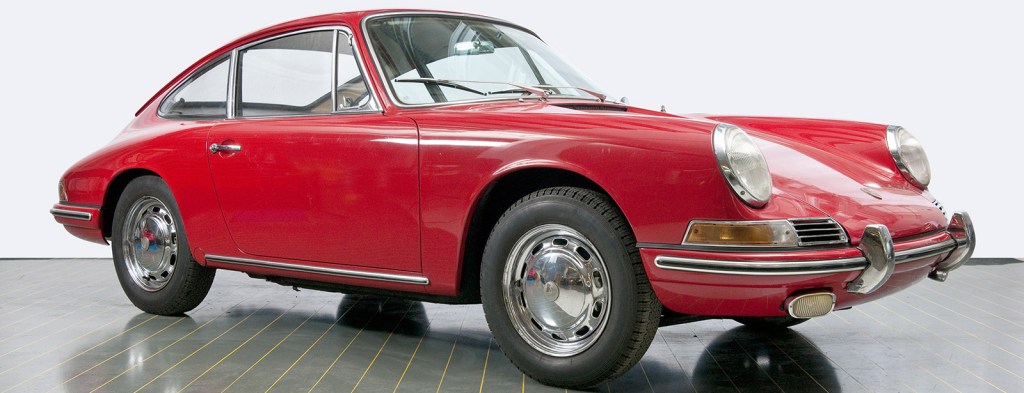
Moving to Germany, we find the Porsche 911 (1964), a car that revolutionized the idea of a sports car. With its rear-engine layout and unmistakable silhouette, the 911 set the benchmark for driving dynamics and engineering brilliance. Decades later, it continues to evolve while staying true to its iconic roots.
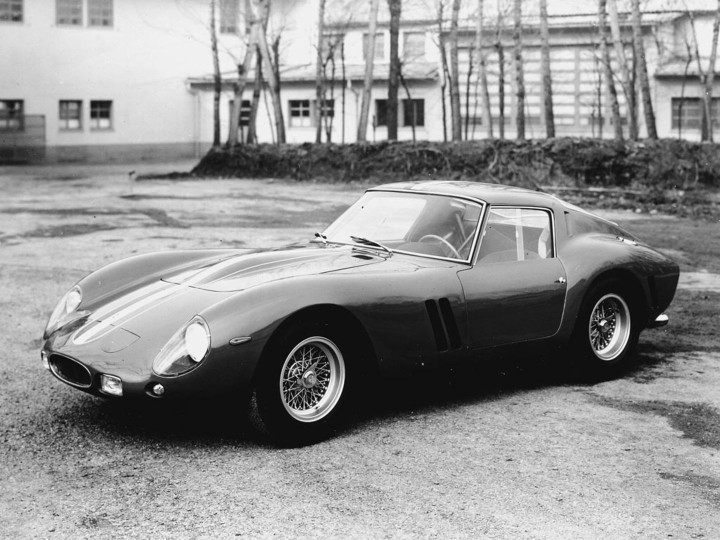
On the Italian side, the Ferrari 250 GTO (1962) shines as a symbol of wealth, performance, and exclusivity. With only 36 units ever built, this car is a collector’s dream. It’s not just a stunning machine; it’s considered one of the greatest Ferraris ever, with racing prowess that dominated the 1960s.
Asia: Innovation and Craftsmanship
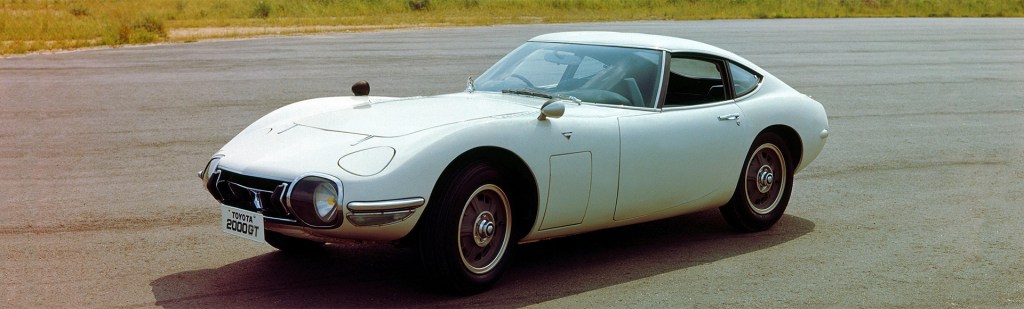
While Asia is often associated with modern automotive advancements, its classic car history also boasts some gems. One such icon is the Toyota 2000GT (1967), a Japanese masterpiece that made the world take notice of Japan’s car making prowess. Sleek and exotic, the 2000GT broke away from the image of Japan being a maker of mere practical cars. It’s also famous for its appearance in the James Bond movie You Only Live Twice.
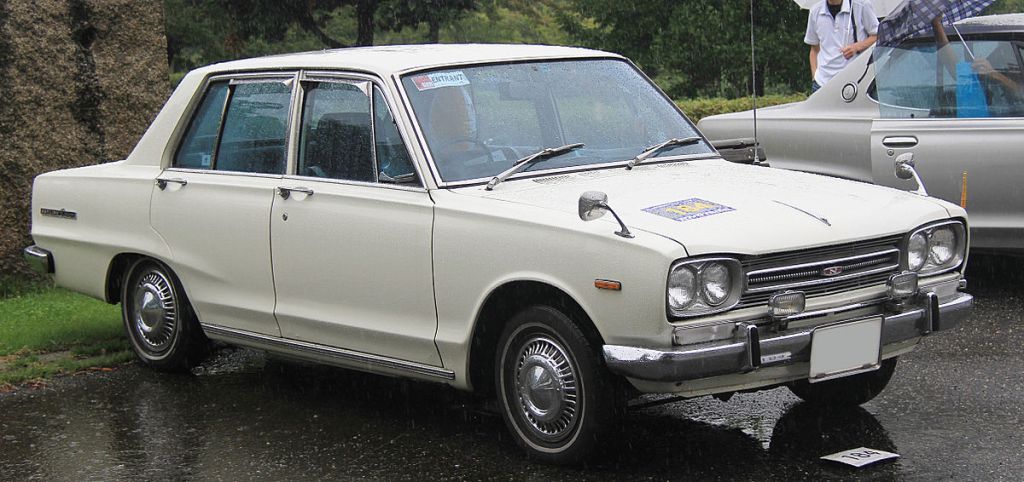
Similarly, the Nissan Skyline GT-R (1969), affectionately known as “Godzilla,” became the benchmark for performance in Japan. Its six-cylinder engine and all-wheel-drive capabilities made it a cult car, dominating both streets and racetracks.
South America: A Celebration of Style and Spirit
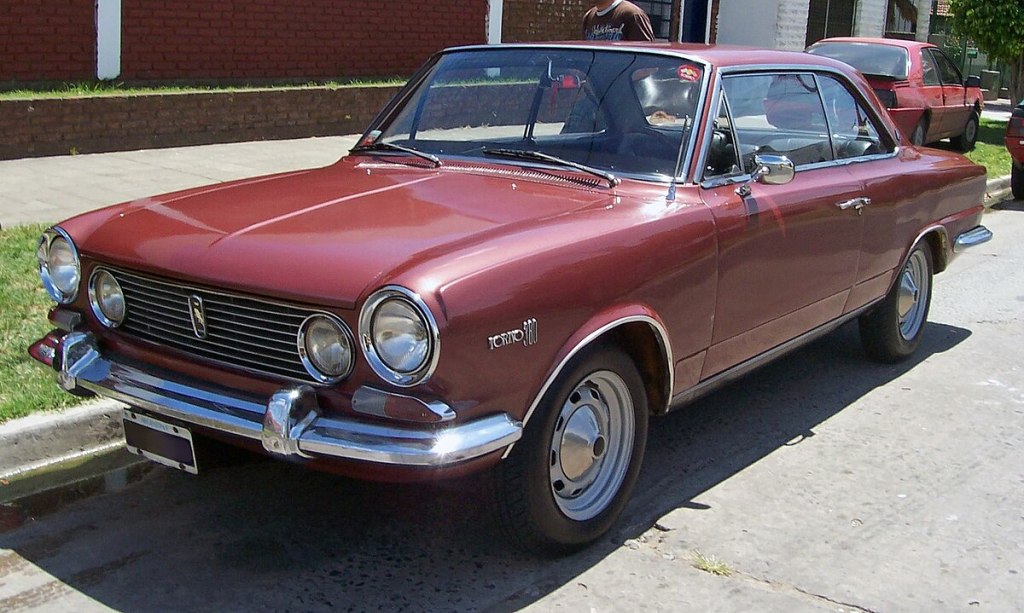
South America’s classic car landscape is smaller, but it holds significant gems like the IKA Torino (1966) from Argentina. The Torino, created with Renault’s collaboration, represented Argentina’s national pride after its strong performance in the 1969 Nürburgring endurance race. It’s a car that blended European design with American power.
Global Legacy: A Bridge Between Eras
From the roar of American muscle cars to the precision of European coupes, classic cars tell a story of innovation, performance, and passion. They represent cultural milestones that highlight rapid technological advancement and human creativity.

Conclusion: A Timeless Passion
Classic cars like the Jaguar E-Type, Ford Mustang, and Ferrari 250 GTO are not mere relics; they are rolling pieces of history. These machines celebrate the joy of driving, speed, and the artistry behind creating something enduring. Whether you’re a collector or a casual admirer, classic cars continue to offer a timeless connection to the past and a celebration of mechanical beauty.


 The Auto Herald- The Drive Behind Every Story