

Within the universe of classic cars, every automobile carries its own saga—an exquisite combination of time-honoured engineering and artistic vision.
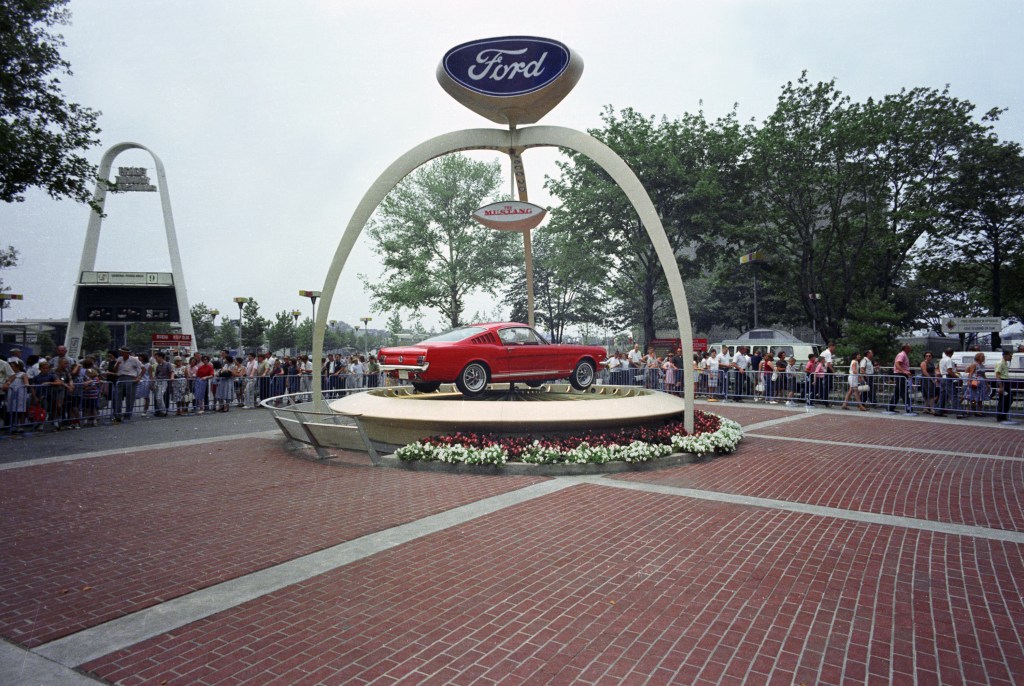
From the sleek lines of a 1960s Ford Mustang to the elegant curves of a 1934 Bentley, these vintage automobiles embody not just modes of transportation but reflections of cultural history and personal aspiration.
For enthusiasts, collectors, and investors, understanding how to value these treasures is paramount. Here’s a concise look at the key factors influencing the price of vintage vehicles.
Condition: The Heartbeat of Value
Condition is one of the most significant determinants of a classic car’s value, which comes categorized into five grades:
- Concours Condition: Pristine, meticulously restored with unblemished originality.
- Excellent Condition: Minor imperfections but fully functional and visually stunning.
- Good Condition: Drivable, with some visible wear and tear.
- Fair Condition: Usable but requiring repairs; often restoration projects.
- Poor Condition: Considered junk, needing extensive work.
Investing in a classic car in concours condition naturally commands the highest price, attracting enthusiasts seeking the pinnacle of automotive heritage.
Rarity: The Allure of Exclusivity
The saying “less is more” rings especially true in the classic car market.
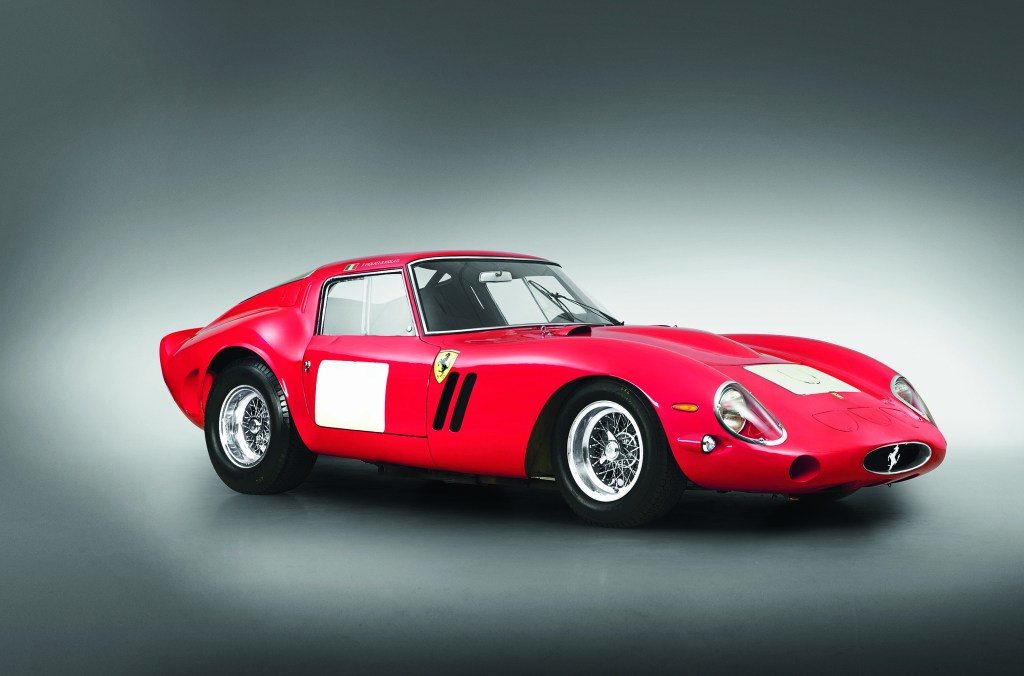
The classic car market reveres rarity. Limited production models, such as the Ferrari 250 GTO or the Jaguar XKSS, can command astronomical prices due to their sheer scarcity. Unique features like special trim packages or historic racing pedigree further elevate a car’s value.
Enthusiasts often seek out those rare gems that tell a unique story, making them not just cars but cherished heirlooms.
Provenance: A Story Worth Telling
The history of a classic car, or its provenance, plays a pivotal role in its valuation.
Cars with notable pasts—perhaps once owned by a celebrity, featured in a famous film, or victorious in significant races are often valued higher due to their rich narratives.
Documentation like original sales receipts and service records enhances appeal, as collectors appreciate knowing a vehicle’s journey.
Market Trends: The Pulse of Demand
Just like fine art or real estate, the classic car market is subject to trends influenced by demand. Economic conditions, collector interests, and generational shifts in preferences can cause fluctuations in prices. For instance, rising interest in electric vehicles has prompted enthusiasts to appreciate vintage cars with unique, eco-friendly features. Staying informed about market trends enables collectors to make strategic buying or selling decisions.
Restoration Quality: Artisanship and Detail
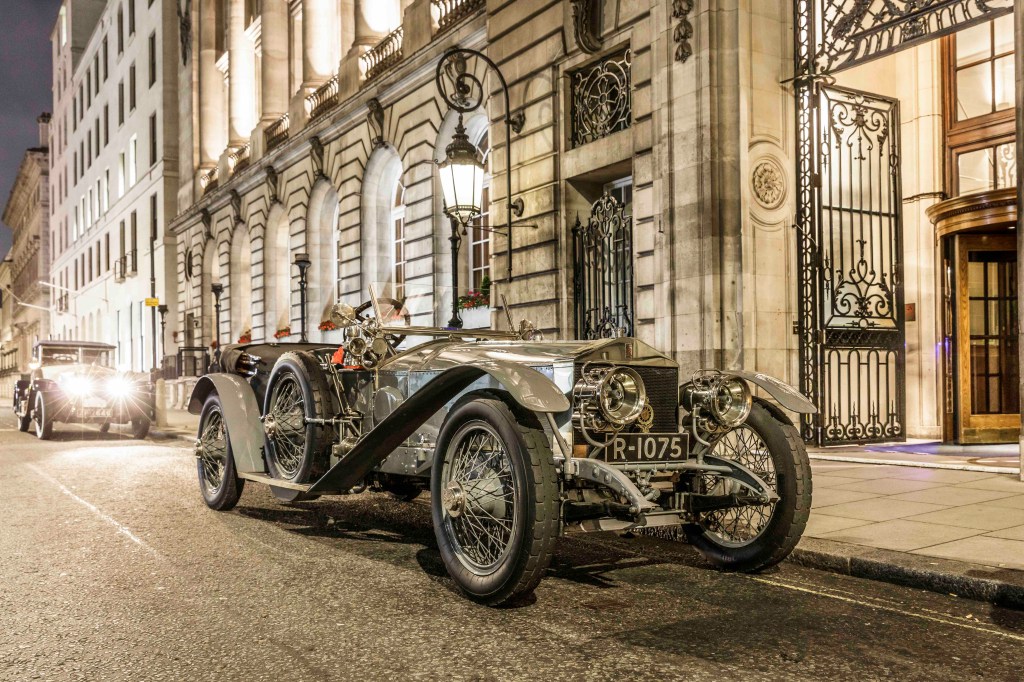
The quality of restoration significantly impacts a classic car’s value. Vehicles restored to original specifications by skilled craftsmen fetch higher prices than those with subpar restoration. Buyers seek authenticity, including original parts and proper techniques. Cars maintaining their original aesthetics are often deemed more valuable than those extensively modified.
Age and Historical Significance
Age affects valuation, with vintage vehicles (over 25 years old) typically holding more value. However, historical significance also matters—vehicles symbolizing important technological advancements can command higher prices. The Volkswagen Beetle, for instance, not only represents a distinct era but also marks a revolutionary moment in automotive design.
Cultural Impact: The Emotional Connection
Finally, the cultural impact of a classic car can elevate its status and value. Cars that have featured prominently in films, music, or pop culture often evoke emotional connections among collectors and enthusiasts. The Ford Mustang, popularized by films like “Bullitt” and “Gone in 60 Seconds,” exemplifies this phenomenon, as its legacy endures through generations.
Emotional resonance can sometimes overshadow traditional valuation metrics, leading collectors to pay premium prices.
Conclusion: A Timeless Investment
Valuing a classic car is an intricate blend of art and science, requiring an understanding of various factors influencing price. Each vehicle serves as a capsule of history, inviting enthusiasts to explore its story, condition, rarity, and cultural significance. As the classic car community thrives, the allure of vintage vehicles remains timeless, promising not just an investment but a cherished piece of automotive heritage for generations.
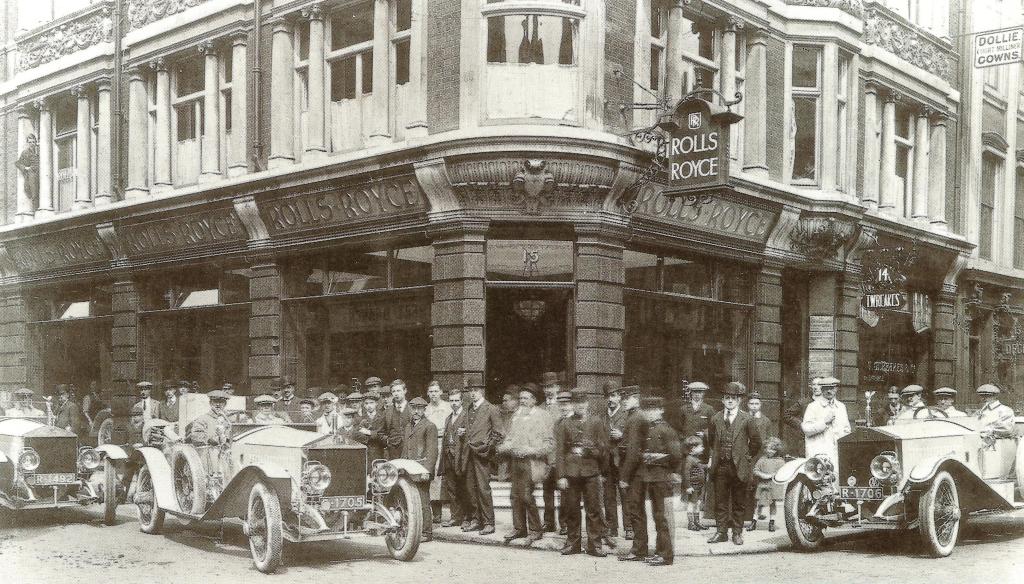
Whether you’re a seasoned collector or new to classic cars, understanding these valuation factors is key to navigating this captivating landscape. The journey of appreciating and valuing classic cars is not just about the vehicles themselves but the rich tapestry of stories they carry.



 The Auto Herald- The Drive Behind Every Story