

Few cars have achieved the iconic status of the DMC DeLorean, a vehicle that transcended the automotive world to become a symbol of futurism and 1980s pop culture. Manufactured by the DeLorean Motor Company (DMC) between 1981 and 1983, the car’s unconventional design, controversial history, and eventual cultural significance make it one of the most memorable vehicles in history.
The Visionary Behind the DeLorean
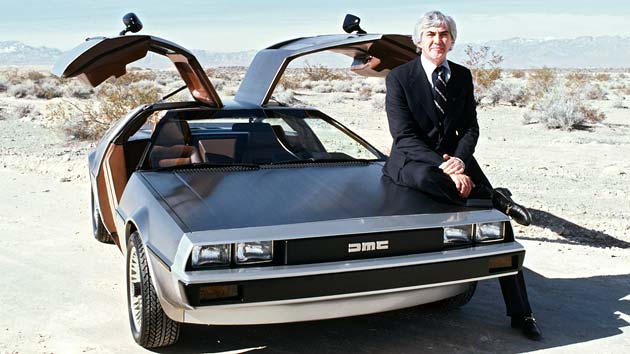
The DeLorean was the brainchild of John Z. DeLorean, a visionary automotive engineer who had previously been a major figure at General Motors. DeLorean was responsible for the creation of several iconic American cars, including the Pontiac GTO, often credited as the first muscle car. His desire to break away from the constraints of corporate life at GM led him to found the DeLorean Motor Company in 1975, with a vision to create a car that would break the mold of traditional American automobiles.
John DeLorean’s dream was to build a futuristic, high-performance car that combined luxury with innovation. He envisioned a car that was not only visually striking but also offered exceptional performance. However, the car would ultimately be remembered more for its unique aesthetics and cultural impact than for its performance.
Design and Features
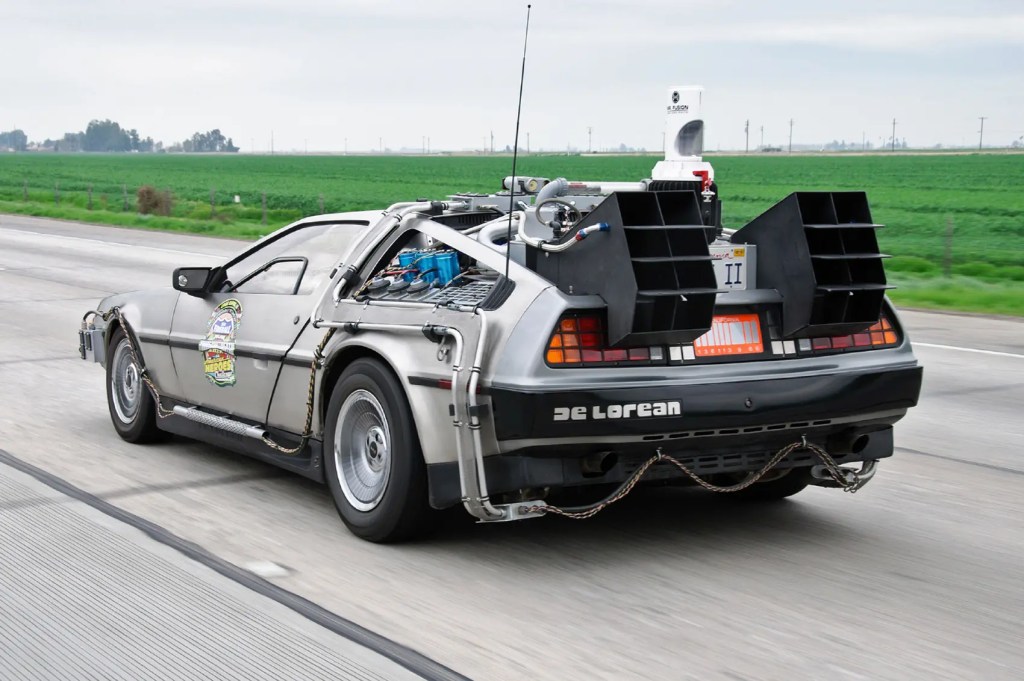
The DeLorean’s design is one of its most distinctive features. Penned by the legendary Italian designer Giorgetto Giugiaro, the car’s angular, futuristic shape was ahead of its time. The body panels were made from brushed stainless steel, which gave the car a striking, industrial look that was unlike anything else on the market. This stainless steel exterior was not just an aesthetic choice; it was also designed to be corrosion-resistant, further emphasizing the car’s forward-thinking ethos.
Perhaps the most iconic aspect of the DeLorean’s design is its gull-wing doors. These upward-opening doors became a hallmark of the car, adding to its futuristic appeal. Opening the doors required minimal clearance, making the car as practical in tight spaces as it was distinctive on the road. This unique feature, along with the stainless steel finish, gave the DeLorean an otherworldly appearance that caught the imagination of car enthusiasts and casual observers alike.
Performance and Criticism
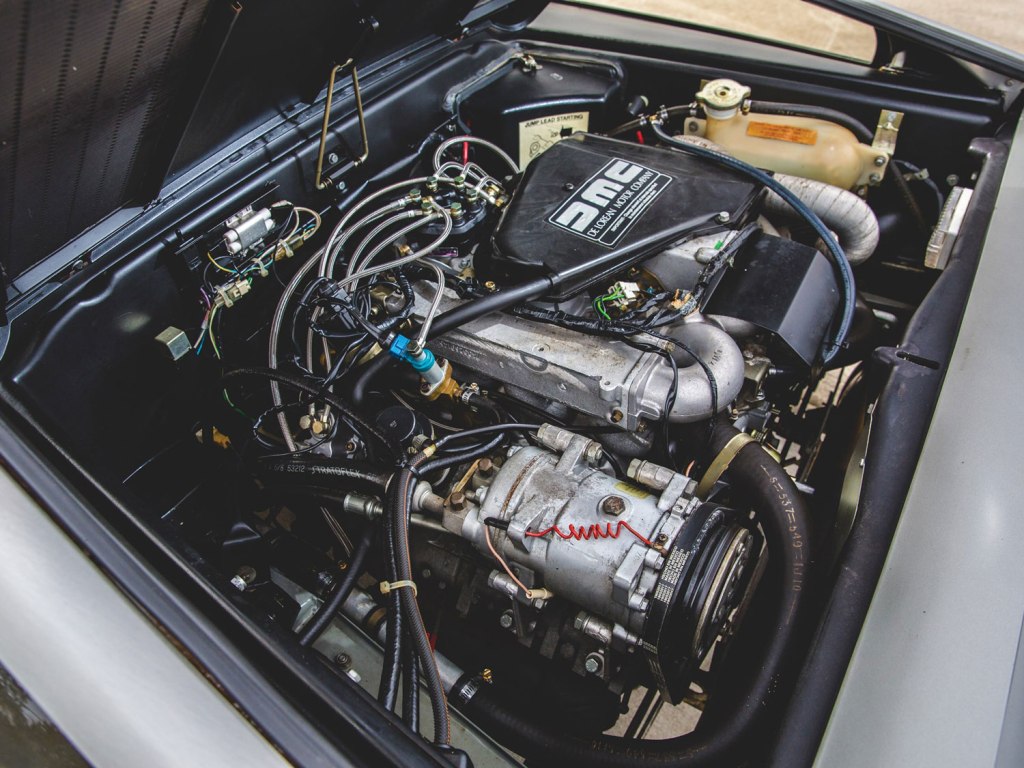
While the DeLorean excelled in terms of aesthetics, its performance was often criticized. The car was powered by a 2.85-liter V6 engine, which produced 130 horsepower—a respectable figure but underwhelming when compared to its sleek, high-performance looks. The car’s weight and the relatively modest power output led to underwhelming acceleration, with 0-60 mph taking around 10.5 seconds. This disparity between appearance and performance disappointed many drivers who expected a car that looked as fast as it seemed.
Despite its performance shortcomings, the DeLorean managed to attract a loyal following, in part because of its distinctive looks and the ambitious vision of its creator.
Cultural Impact and Legacy
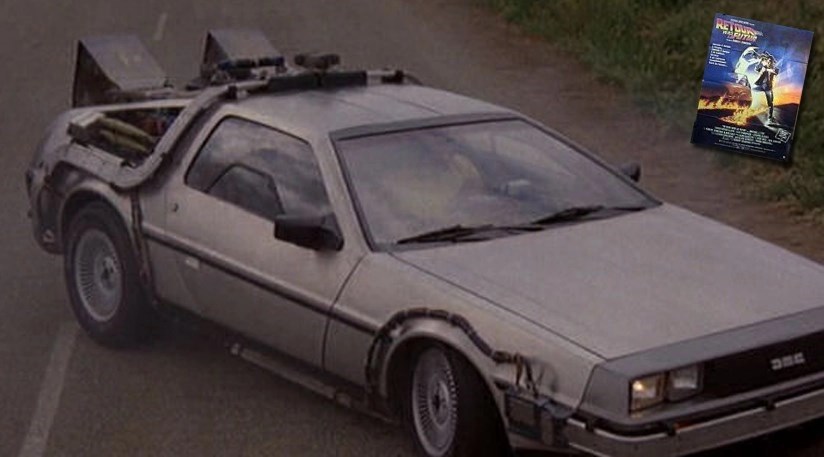
The DeLorean’s cultural significance was sealed when it was featured as the time machine in the 1985 film Back to the Future. In the movie, Doc Brown famously converted the car into a futuristic time-traveling device, cementing its place in cinema history. The car’s starring role in the Back to the Future trilogy transformed it from an underwhelming sports car into a pop culture icon.
Despite the car’s production ending after only two years and approximately 9,000 units being built, its legacy lives on. Today, the DeLorean is a highly sought-after collector’s item, and its unique design remains a point of fascination for automotive enthusiasts.
Our Take
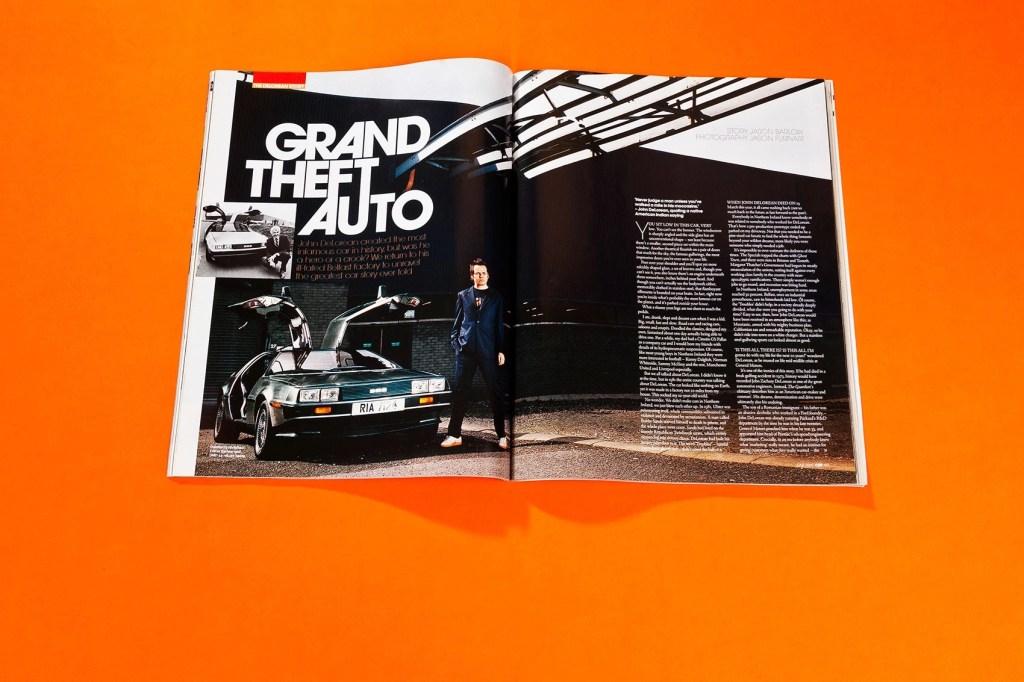
The DMC DeLorean is more than just a car; it is a symbol of innovation, ambition, and the indomitable spirit of its creator, John DeLorean. Despite its relatively short production run and performance shortcomings, its place in automotive history and popular culture is undeniable. Whether seen as a symbol of the future or a reminder of 1980s nostalgia, the DeLorean continues to inspire and capture the imagination of generations.

 The Auto Herald- The Drive Behind Every Story