

Vintage cars possess a certain charm that modern vehicles often lack, connecting people to the past and narrating a unique story in every scratch and curve. Restoring these classic beauties, however, is no small feat. It’s a labor of love that requires dedication, skill, and, above all, patience. For those passionate about reviving a piece of history, this guide will walk you through the process, offering expert tips, essential tools, and insights that will help you breathe life back into these timeless machines.
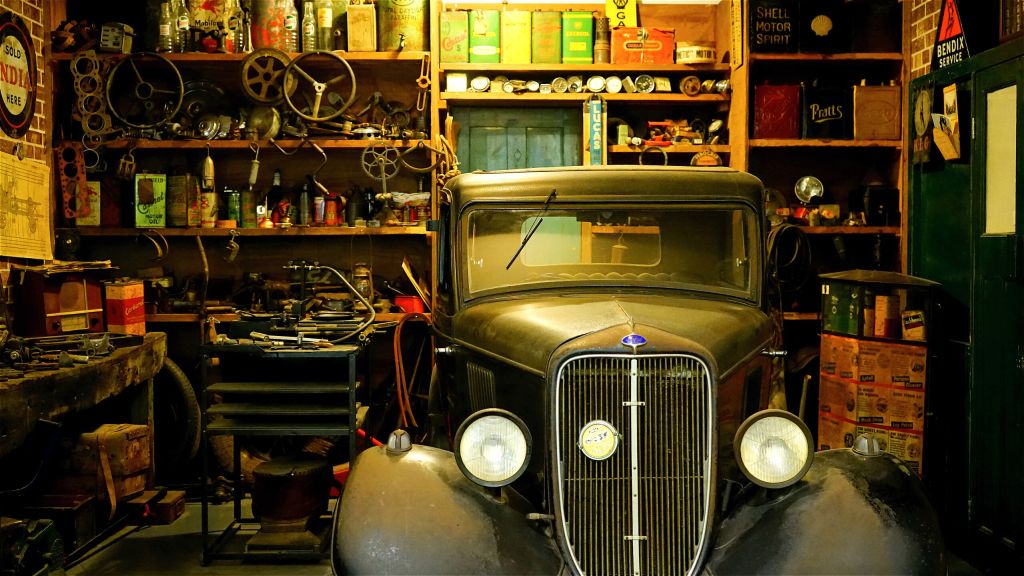
Assessing the Project: Is It Worth It?
Before starting into the restoration process, thoroughly evaluate the car’s condition. Some vintage cars are more costly to restore than they are worth, so understanding the level of damage or deterioration is crucial.
- Rust and Structural Integrity: Look for signs of rust and corrosion, particularly in the frame, undercarriage, and floor panels.
- Availability of Parts: Ensure that replacement parts are available for the specific make and model. Some rare vintage cars might require custom fabrications, adding to the cost and timeline of the project.
- Documentation: Check for ownership and provenance records, as having the original documentation can increase the car’s value post-restoration.
Pro tip: Use a restoration guide or manual specific to the model of the car. This will provide insights on where to source parts and tools.
Planning the Restoration: Blueprint for Success
Once you’ve decided to proceed, it’s essential to plan the project. A clear roadmap will help prevent unnecessary delays and keep costs under control.
- Set a Budget: Factor in the costs of tools, parts, labor (if outsourcing any tasks), and any unforeseen repairs.
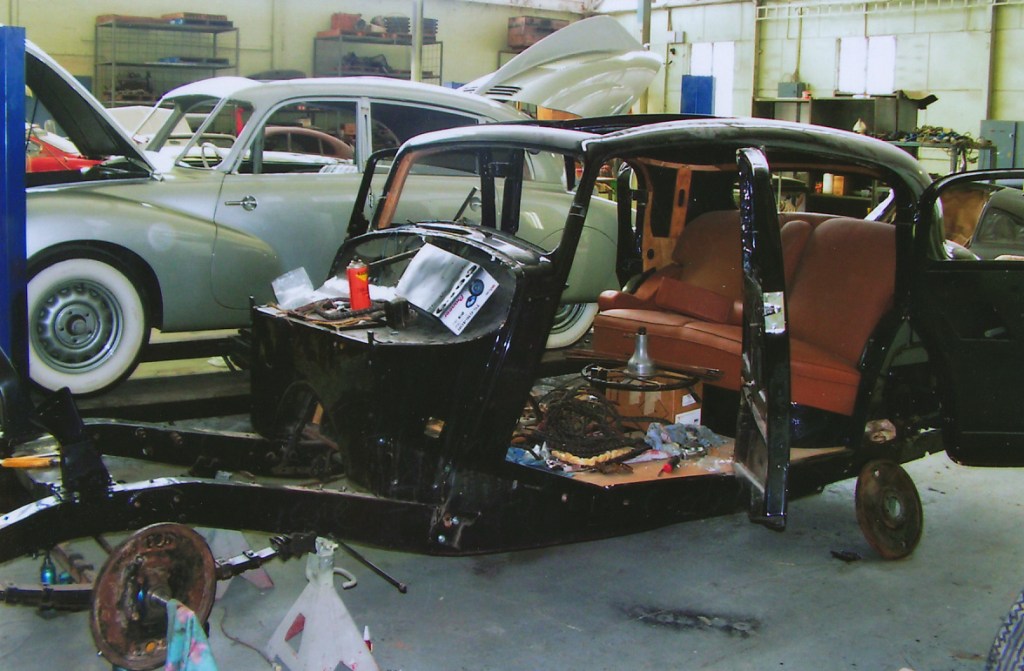
- Create a Timeline: Break the restoration into phases—disassembly, bodywork, mechanical repairs, reassembly, etc. Classic car restoration can take months or even years, so planning for a realistic timeline is key.
- Skill Assessment: Determine what tasks you can handle yourself and which might require professional help, such as engine overhauls or intricate electrical repairs.
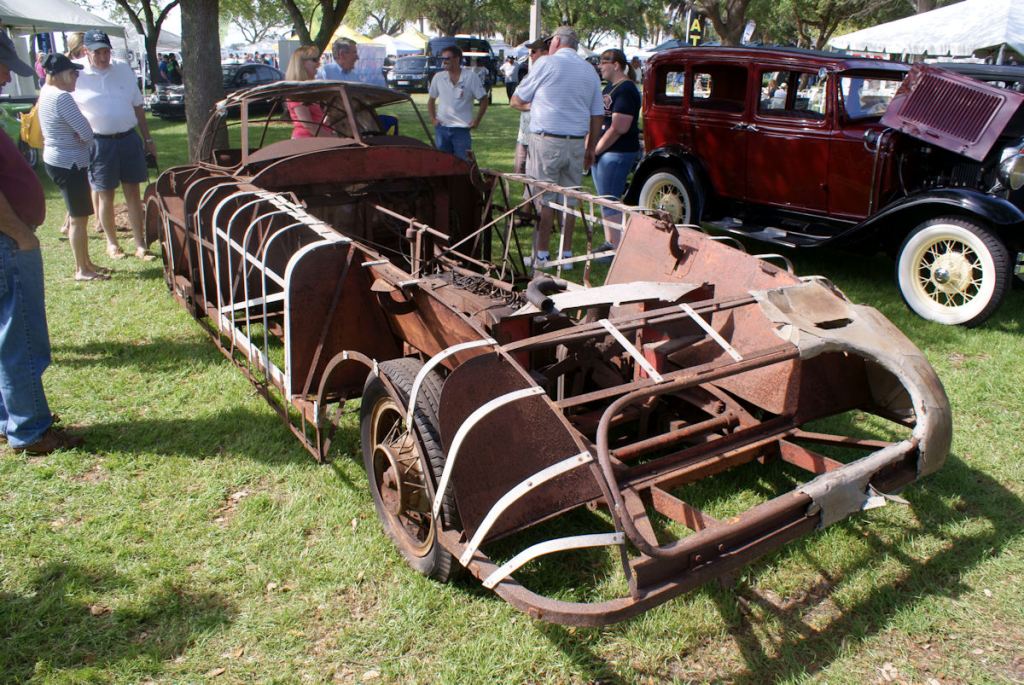
Disassembly: Start with a Clean Slate
Before any restoration work can begin, the car must be stripped down to its bare bones. Label each part and take detailed photos to help with reassembly.
- Remove Interior Components: Start by removing the seats, dashboard, and any carpeting. This will allow access to the car’s floor, wiring, and any hidden rust spots.
- Take Out the Engine and Transmission: Depending on the car’s condition, these components may need a full rebuild.
- Inspect for Hidden Damage: Look for cracked frames, deteriorated rubber seals, and faulty wiring, especially in older models.
Pro tip: Store small parts in labeled containers and keep them organized. This will save you time and frustration during reassembly.
Bodywork: From Rusty to Pristine
Bodywork is one of the most time-consuming parts of the restoration, but it’s also where your classic car can regain its former glory.
- Rust Removal: Begin by sanding away rust, using a wire brush for tougher spots. In severe cases, you may need to replace rusted panels altogether.
- Panel Beating and Dent Repair: Use a body hammer and dolly to smooth out dents. For large damage, professional panel beating might be required.
- Painting: After the body is prepped and primed, it’s time to repaint. Choosing a color close to the original will preserve the car’s authenticity and value.
Pro tip: Consider modern paint technology such as waterborne paints, which are environmentally friendly and offer excellent durability.
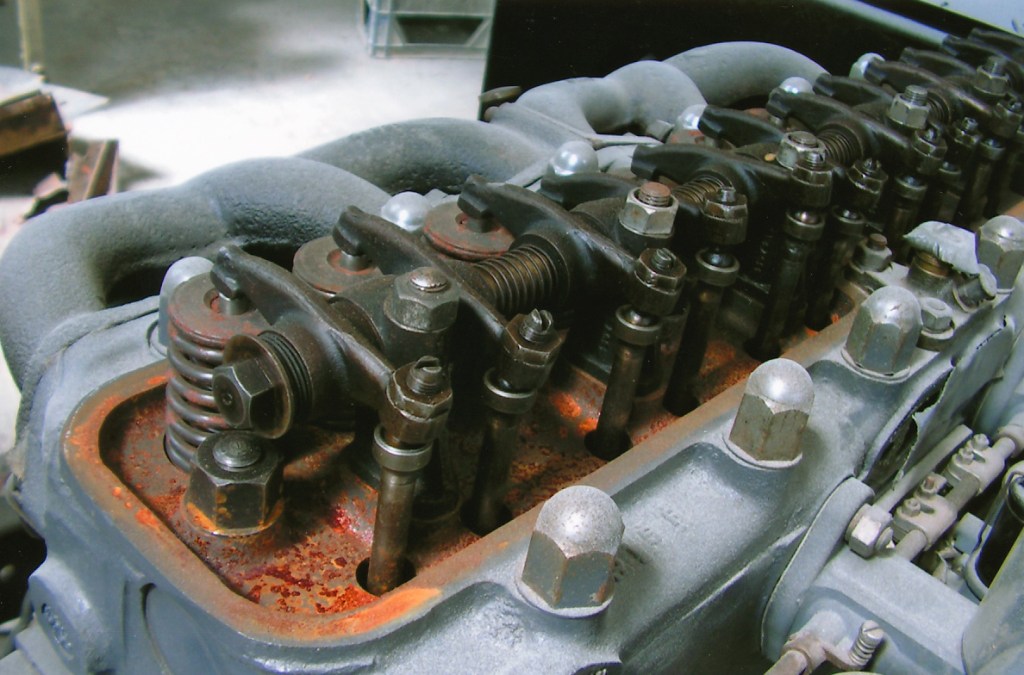
Mechanical Overhaul: Breathing Life Back into the Engine
Rebuilding the engine is the heart of any restoration project.
Whether you’re doing it yourself or working with a mechanic, this stage will determine how the car performs on the road.
- Engine Rebuild: Replacing old pistons, valves, and gaskets will often be necessary. Ensure the crankshaft and camshaft are free from wear.
- Transmission and Suspension: Inspect for wear and tear in the transmission and suspension. Rebuild or replace these components to ensure smooth handling.
- Brakes and Exhaust System: Upgrade the braking system with modern components, if necessary, especially for safety reasons. The exhaust system may need cleaning or replacement to restore performance.
Pro tip: Consider upgrading to modern brakes and suspension components to improve safety while retaining the car’s vintage aesthetics.
Electrical System: Old Meets New
Classic cars often have outdated electrical systems that need significant repairs or upgrades to function safely and reliably.
- Wiring: Inspect the wiring for cracks and signs of wear. Old wiring can be dangerous, so rewiring the entire car may be necessary.
- Battery and Alternator: Replace the old battery and alternator with modern, more efficient versions.
- Lighting: Ensure that all lights, including indicators and headlamps, are working correctly. You may want to upgrade to LED bulbs for increased brightness and longevity.
Interior Restoration: Comfort Meets Elegance
Restoring the interior of a vintage car is where craftsmanship truly shines. This is your chance to revive the elegance of the past while incorporating modern comfort.
- Upholstery: Choose high-quality materials for seat covers, door panels, and carpeting. You can opt for original designs or modern materials that mimic the vintage look.
- Dashboard and Gauges: Refurbish the dashboard, paying close attention to the condition of gauges and dials. Ensure that the speedometer, odometer, and other instruments work properly.
- Steering Wheel and Pedals: Refinish or replace worn-out steering wheels and pedals to complete the look.
Pro tip: Custom upholstery shops can replicate the original design or add personal flair, so take your time when choosing materials.
Reassembly: Putting It All Together
Reassembly is a meticulous process that requires patience and attention to detail. Refer to the photos and labels from the disassembly stage to ensure everything goes back to its proper place.
- Install the Engine and Transmission: Carefully place the engine back into the frame, connecting the necessary electrical and mechanical components.
- Reattach the Body Panels: Align the body panels and reattach them, making sure everything is securely fitted.
- Final Touches: Reinstall the interior, polish the chrome details, and inspect the car one final time before testing.

Finishing Touches: Bringing the Classic Back to Life
Once the reassembly is complete, it’s time to give your vintage car the final touches that will make it roadworthy and show-ready.
- Detailing: Clean every inch of the car inside and out, polish the paint, and make sure the chrome sparkles.
- Test Drive: After the restoration, take the car for a test drive to ensure everything runs smoothly. Check for any minor adjustments that need to be made.
- Documentation: Keep detailed records of the restoration process, including parts replaced and modifications made. This will increase the car’s value and provide essential information for future maintenance.
Maintenance and Preservation: Keeping Your Classic Alive
After restoring a classic car, maintaining it is just as important. Regular checkups and careful storage will preserve your hard work for years to come.
- Storage: Store the car in a climate-controlled garage to prevent rust and wear from environmental factors.
- Routine Inspections: Regularly check the engine, brakes, and tires to ensure everything remains in top shape.
- Driving: Drive your classic car occasionally to keep it in running condition but avoid extreme weather or rough roads that could cause damage.
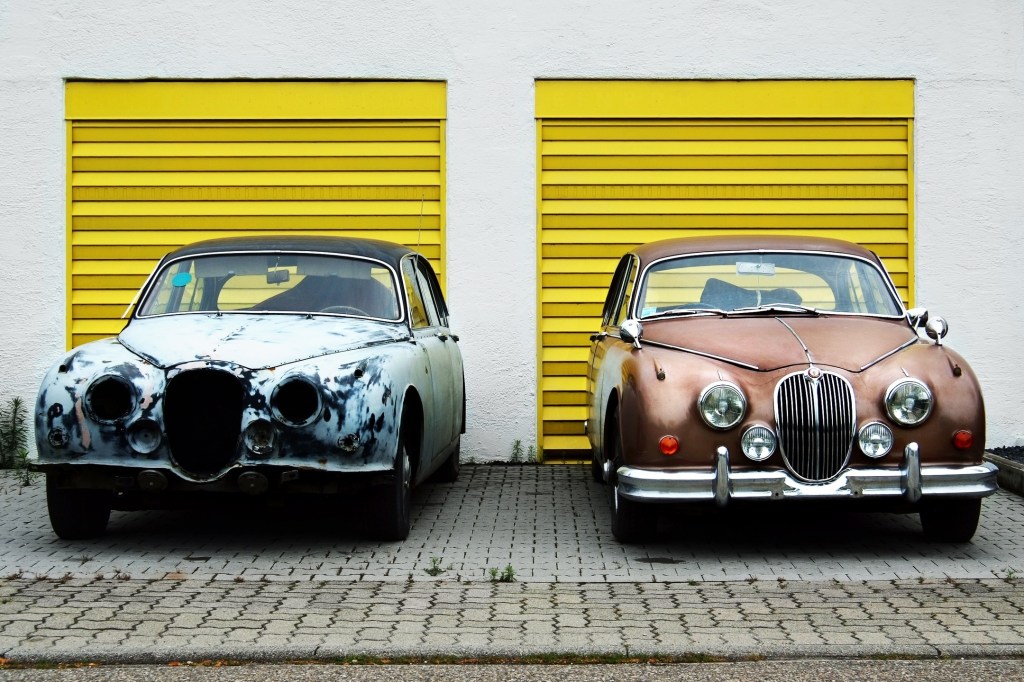
Conclusion: Patience and Passion Lead to Perfection
Restoring a classic car isn’t just about turning a wrench but also an act of preserving history and celebrating automotive art.
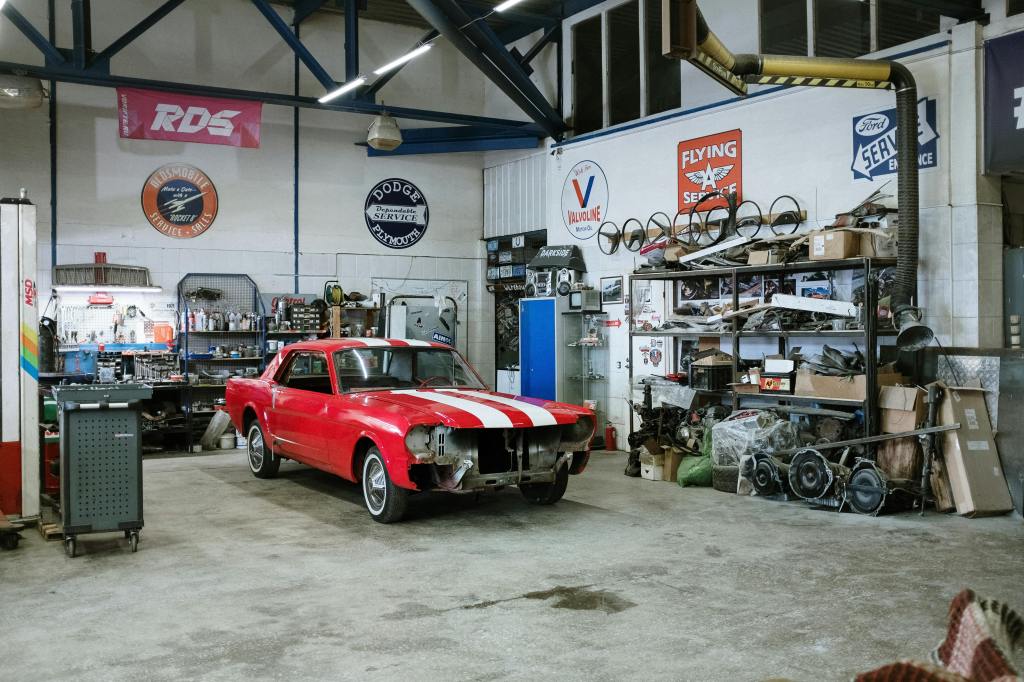
While the journey may be long and challenging, the reward is a timeless piece of automotive heritage, restored with your own hands. Whether you’re restoring for personal enjoyment or resale, the value of a fully restored classic car extends far beyond its monetary worth.
With careful planning, patience, and the right tools, anyone can turn a dilapidated classic into a show-stopping masterpiece. So, roll up your sleeves, pick your project, and begin the journey of breathing new life into a piece of history.



 The Auto Herald- The Drive Behind Every Story