

Classic cars have always held timeless appeal, both in India and globally. This enduring fascination reflects their status not only as symbols of luxury and innovation, but also as pieces of history that shaped the automotive landscape of a geographical area. In this feature, let us delve into ten iconic vintage cars that significantly impacted India’s automotive industry, spanning from pre-independence luxury to post-independence innovation.
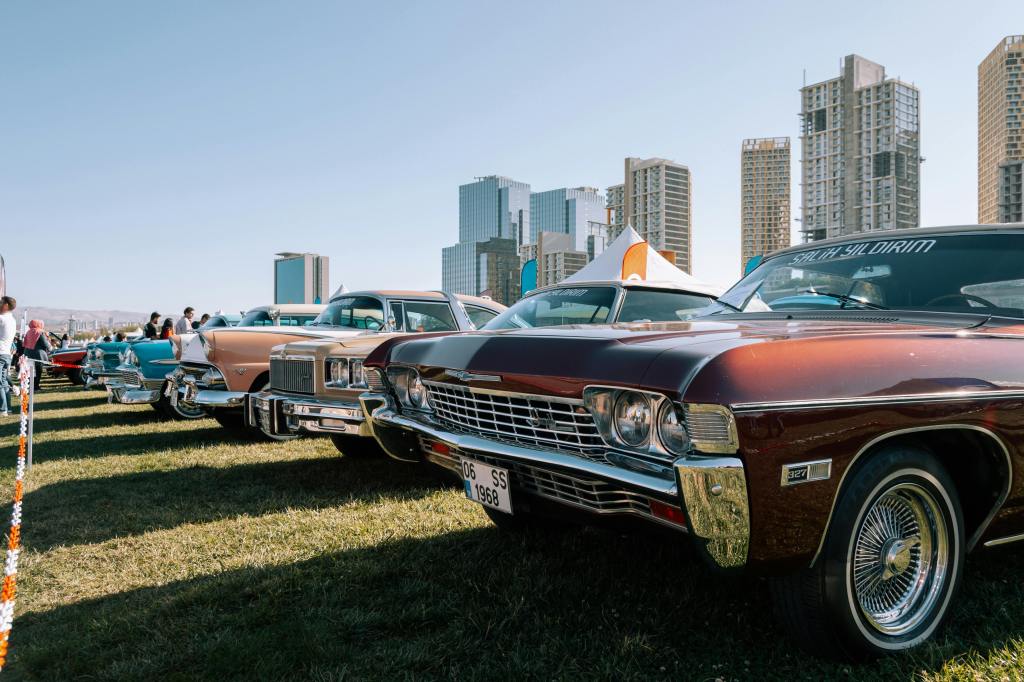
Ambassador
The Ambassador, launched by Hindustan Motors in 1958, is often hailed as the “King of Indian Roads.” Renowned for its spacious interior and robust build, the Ambassador became an iconic symbol of Indian luxury and comfort. Its presence in government fleets and popular culture cemented its place in the hearts of many, making it a quintessential part of India’s automotive heritage.

Fiat 1100
Introduced in the early 1960s, the Fiat 1100 has always stood out for its stylish design and reliable performance. With its sleek lines and advanced engineering, it quickly gained a reputation for sophistication. The Fiat 1100 became a favorite among India’s elite, contributing significantly to the evolution of the Indian car market.
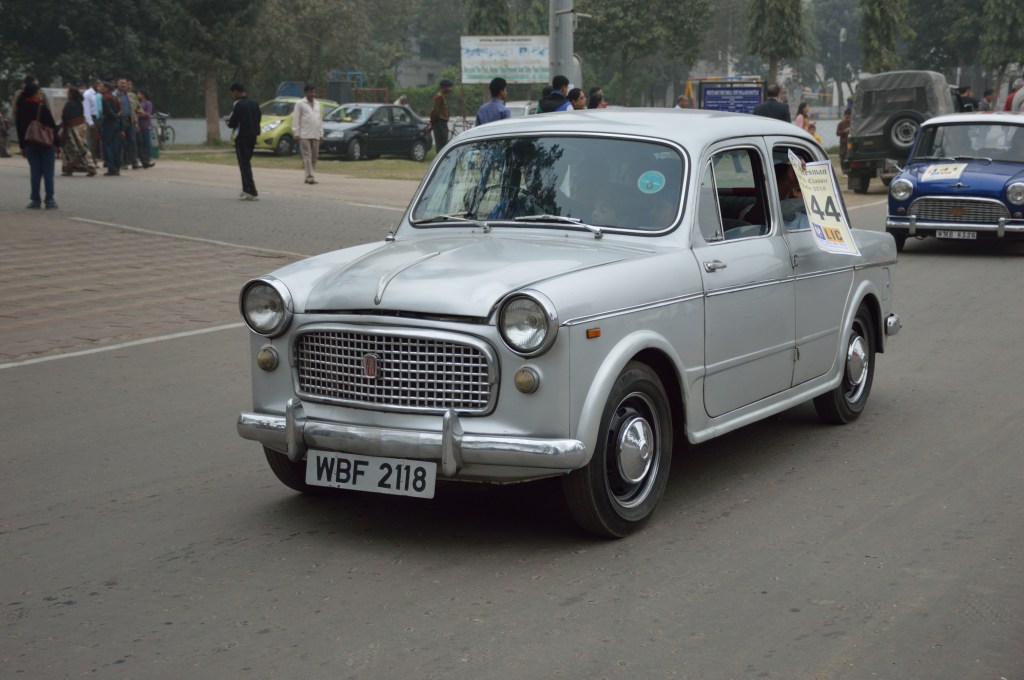
Morris Minor
The Morris Minor, produced by Morris Motors, was celebrated for its charming design and dependable performance. Known for its affordability and durability, it became a popular choice among Indian families, leaving a lasting impact on the nation’s automotive landscape.
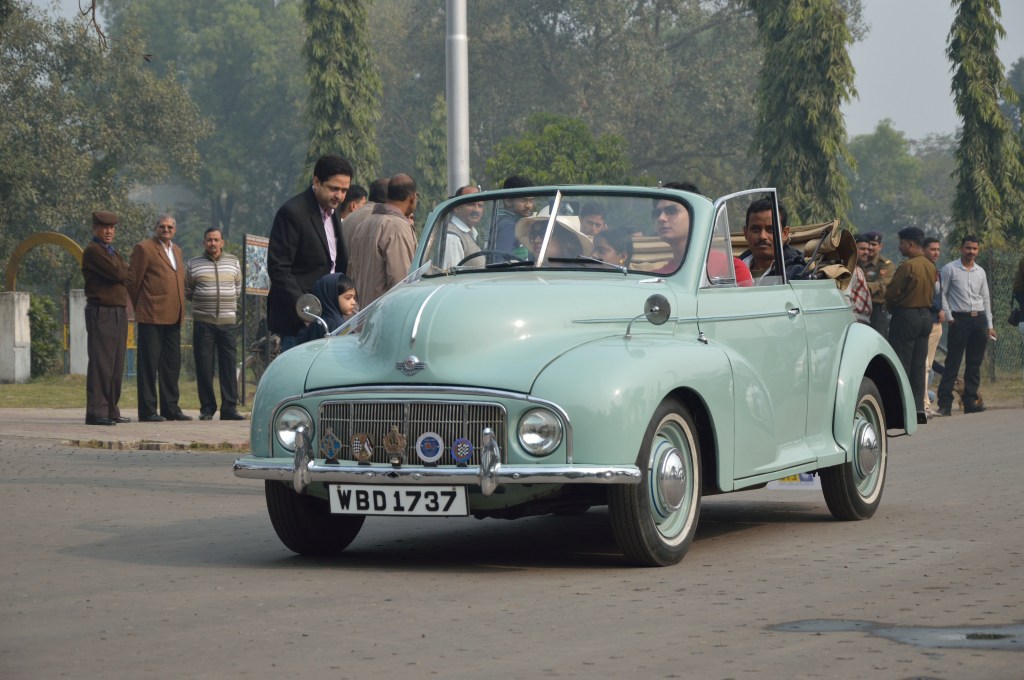
Cadillac Fleetwood
The Cadillac Fleetwood represented the pinnacle of American luxury in India. Imported by wealthy families and used in high-profile events, it symbolized opulence and sophistication. Its elegant design and powerful engine made it a standout classic in India’s automotive history.
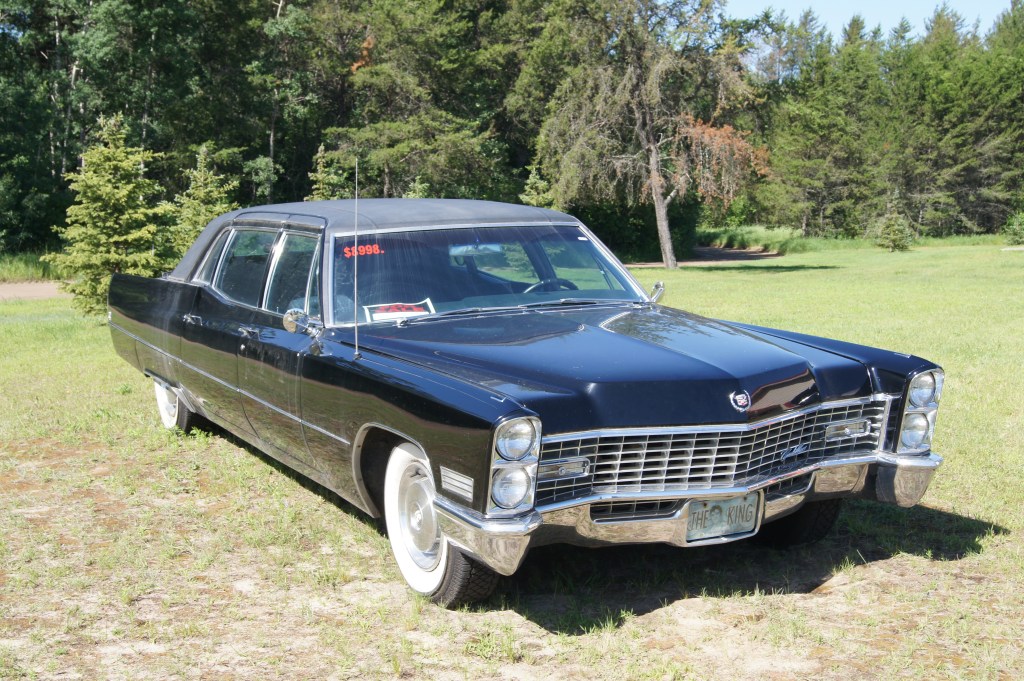
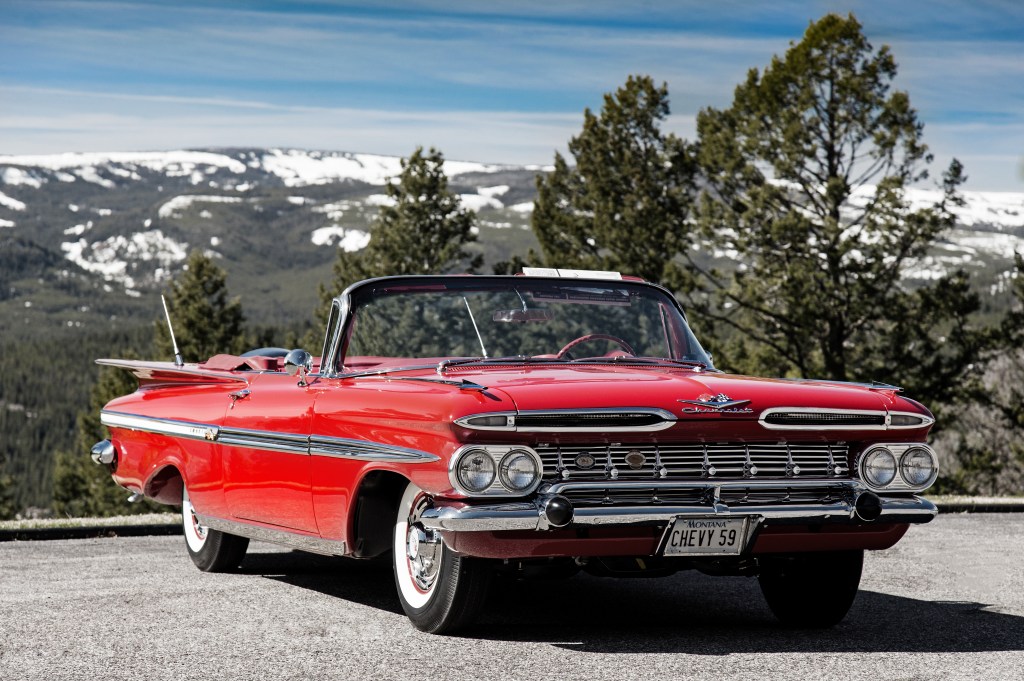
Chevrolet Impala
The Chevrolet Impala, with its distinctive design and impressive performance, was a favorite among Indian car enthusiasts. Its presence on Indian roads highlighted the American influence on the Indian automotive culture during the 1960s and 1970s. The Impala’s sleek lines and spacious interior made it a highly sought-after classic.
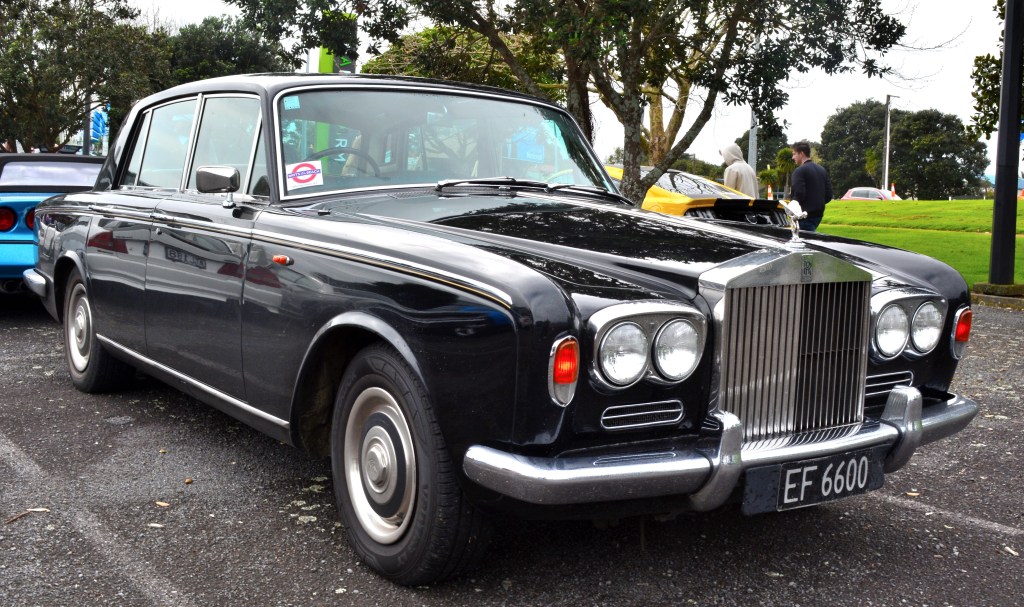
Rolls-Royce Silver Shadow
The Rolls-Royce Silver Shadow epitomized luxury and craftsmanship, becoming a symbol of affluence for India’s elite. Introduced in the late 1960s, its refined design and advanced engineering made it a coveted classic car that continues to command respect and admiration today.
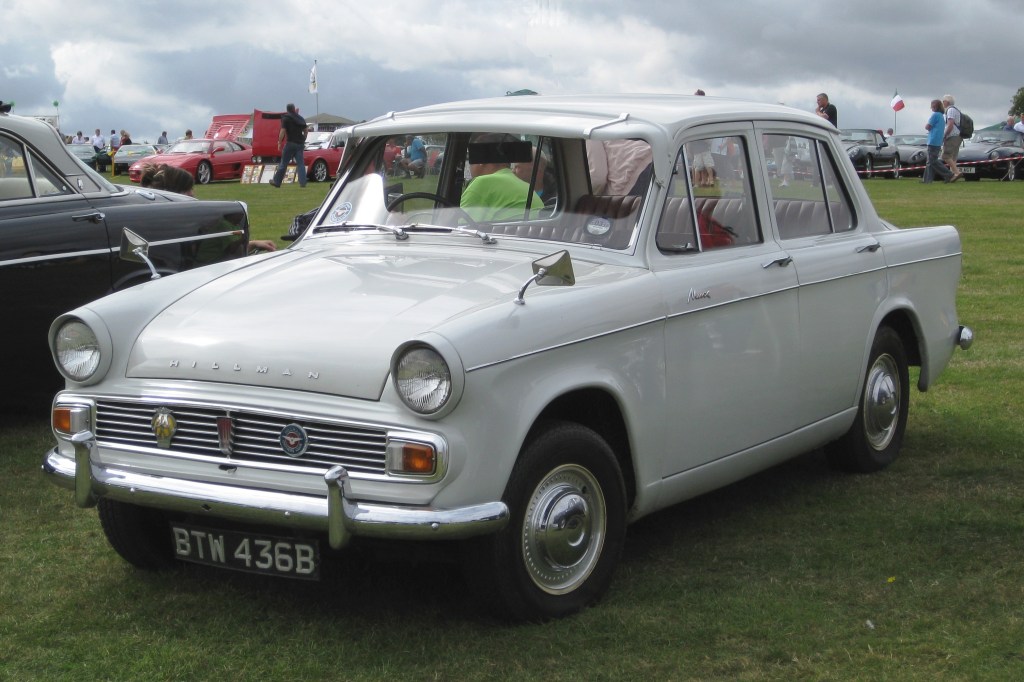
Hillman Minx
The Hillman Minx, produced by the British carmaker Hillman, was known for its practicality and reliability. Its classic design and comfortable ride made it a popular choice for Indian families, and its affordability helped maintain a strong presence on Indian roads for several decades.
Jaguar Mark II
The Jaguar Mark II, with its sporty design and impressive performance, was a standout choice for those seeking a blend of luxury and speed. Its elegant lines and powerful engine made it a favorite among car enthusiasts and collectors, earning its place as a classic in India’s automotive history.

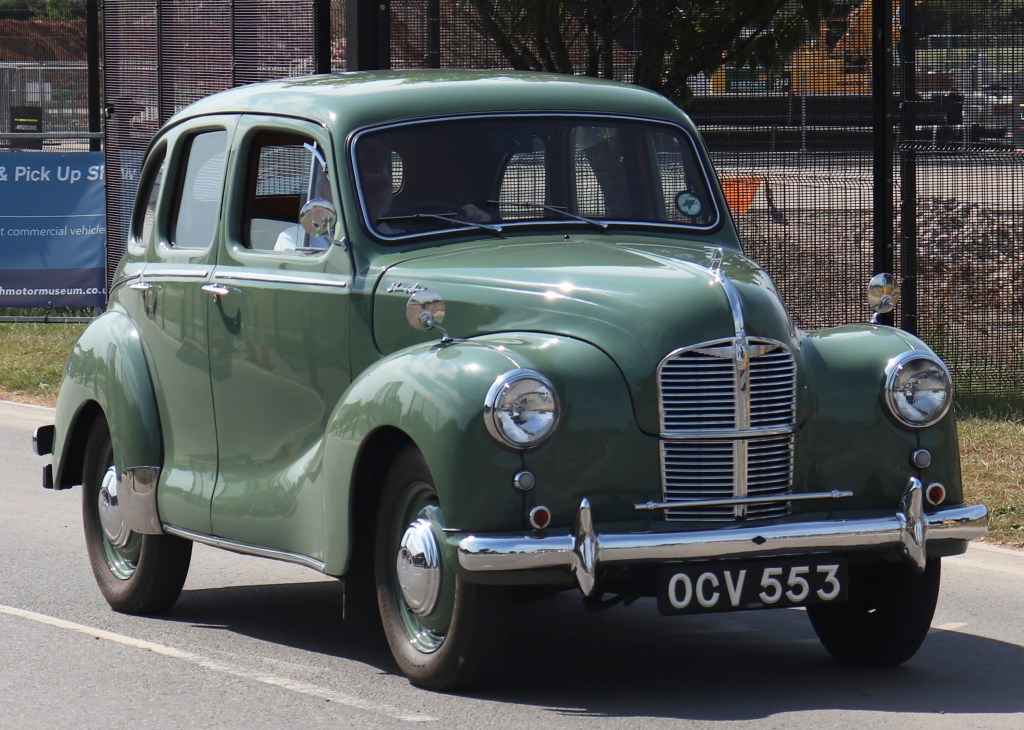
Austin A40
The Austin A40 was popular in the 1950s and 1960s for its affordability and practicality. Its compact design and reliable performance made it a favorite among Indian families, marking an important phase in the development of affordable personal transportation in India.
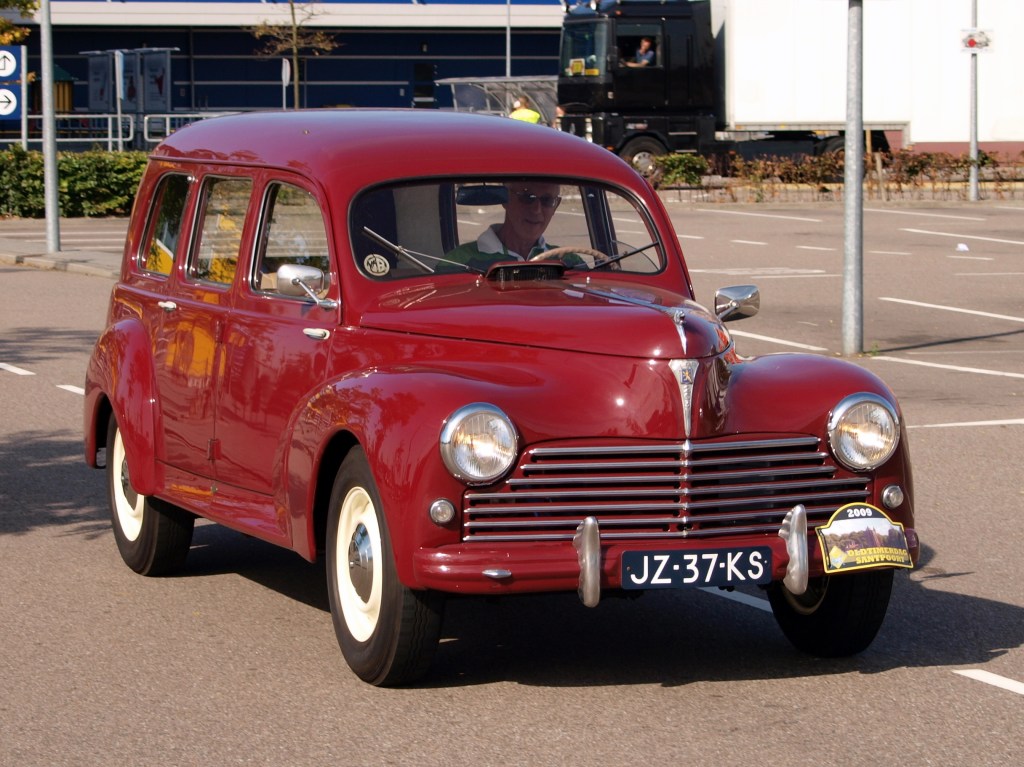
Peugeot 203
The Peugeot 203 was a stylish and reliable car that captured the essence of French automotive design. Its sleek lines and comfortable interior made it a popular choice among Indian car buyers in the 1950s and 1960s. The 203’s charm and practicality have made it a beloved classic among vintage car enthusiasts.
Conclusion
These vintage cars not only represent a bygone era of automotive design and technology but also hold a special place in the hearts of many who remember their impact on Indian roads. From the elegant Ambassador to the luxurious Rolls-Royce Silver Shadow, each of these vehicles tells a unique story of India’s automotive evolution.

As we look back at these classic cars, we gain a greater appreciation for the rich history and heritage of the Indian automobile industry. These classic cars continue to captivate us, preserving a tangible link to India’s rich automotive heritage while we drive into a future defined by innovation.

 The Auto Herald- The Drive Behind Every Story