

As the name suggests, classic cars always uphold an enchantingly perennial aura worldwide, taking enthusiasts on a mesmerizing journey through the changing tides of time. This applies to the alluring classic car culture of India as well, which ranges from the timeless luxury lifestyle of the pre-independence era to the booming automative landscape of India post its independence in 1947.
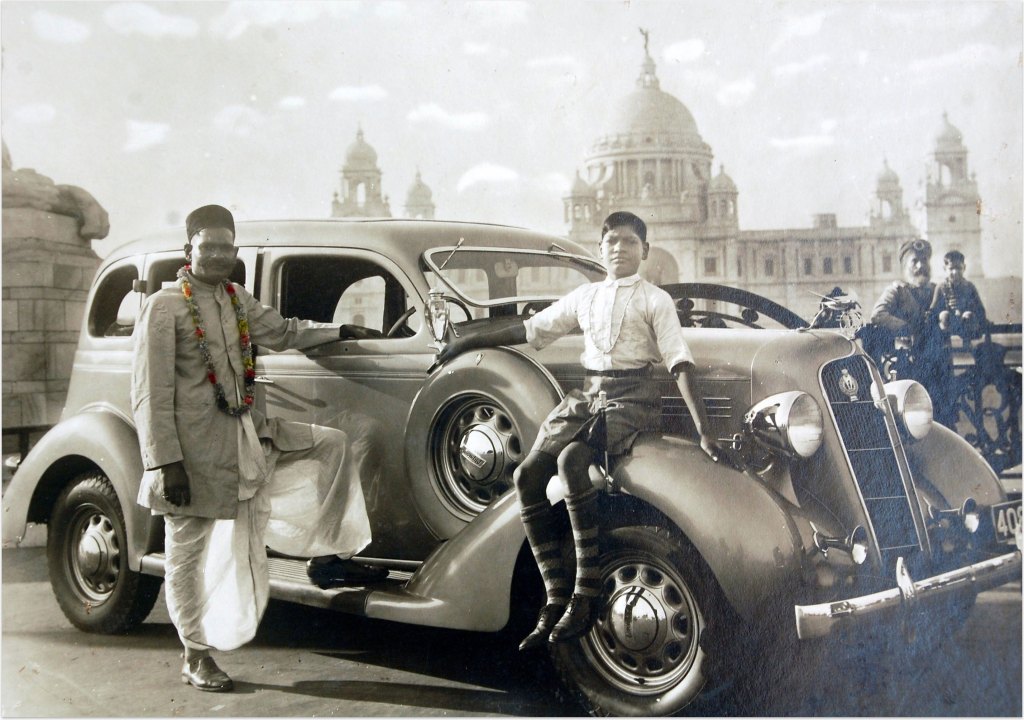
Let us now delve into the phenomenal transformation of India’s automotive industry, with special emphasis on landmark moments and key vehicles that created the buzz in their time as well as in the present times.
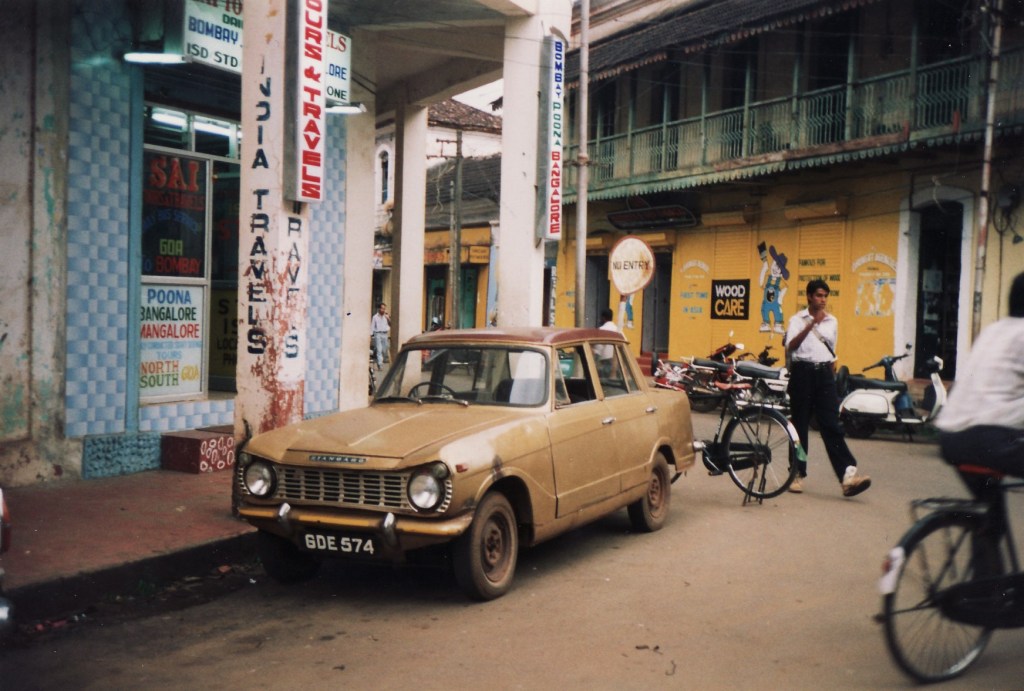
Pre-Independence Era: The Age of Royal Luxury
In the pre-independence era, classic luxury vehicles that dominated Indian roadways were primarily owned by the nation’s royalty and upper classes. This enthralling culture was spearheaded by the Maharajas of India, who possessed a discerning taste for custom-built vehicles that stood at the pinnacle of pristine luxury. They often imported exquisite models like the Rolls-Royce Phantom, a particular favourite in public festivities and majestic processions, which embodied unique characteristics reflecting upon their regal status in society. Bentley and Cadillac were other pioneer automotive brands that represented opulence and strength in that era.

The Hindustan 10, also introduced in that era, was one of the very few locally assembled cars in its time. Its momentous arrival marked the dawn of India’s homegrown automative future, which went on to triumphantly thrive amidst the dominance of imported cars in the country.
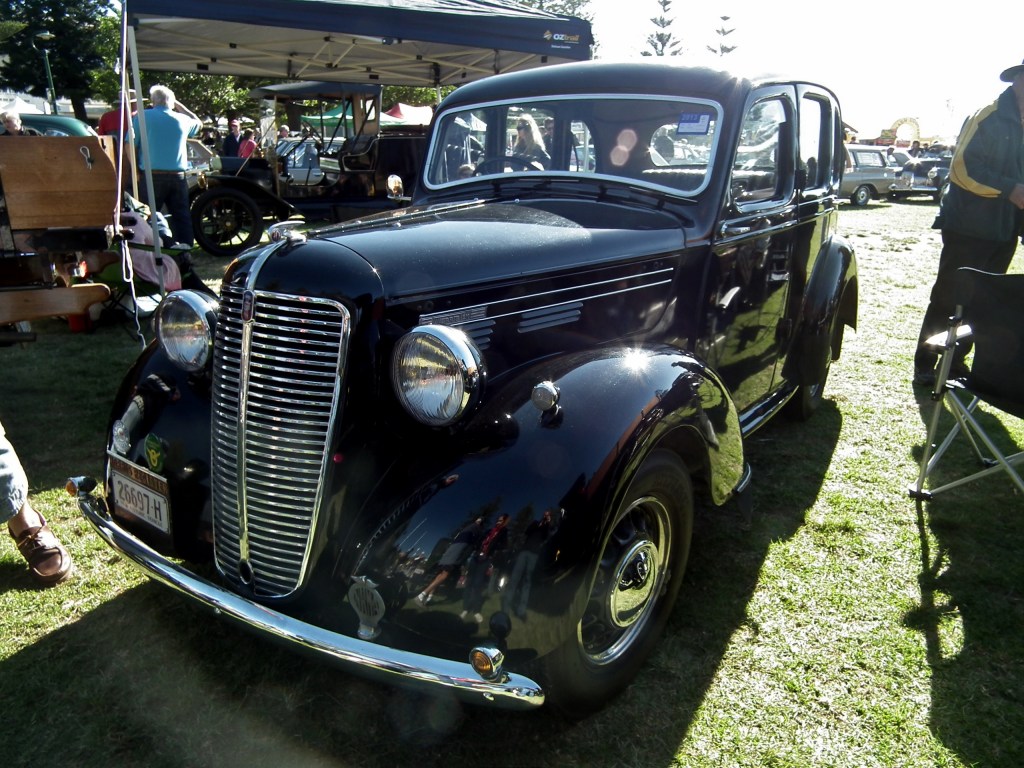
Post Independence Era: The Birth of India’s Automotive Industry
In the post-independence era, rising nationalistic sentiments paved way for a rising demand in “swadeshi” or Indian-made vehicles. Additionally, this era also witnessed a surge in the population of middle-classes, that preferred practicality and affordability over luxury. This is when Indian automotive brands began focusing on creating their own automobile facilities to cater to the needs of the nation’s rapidly growing middle-class families.

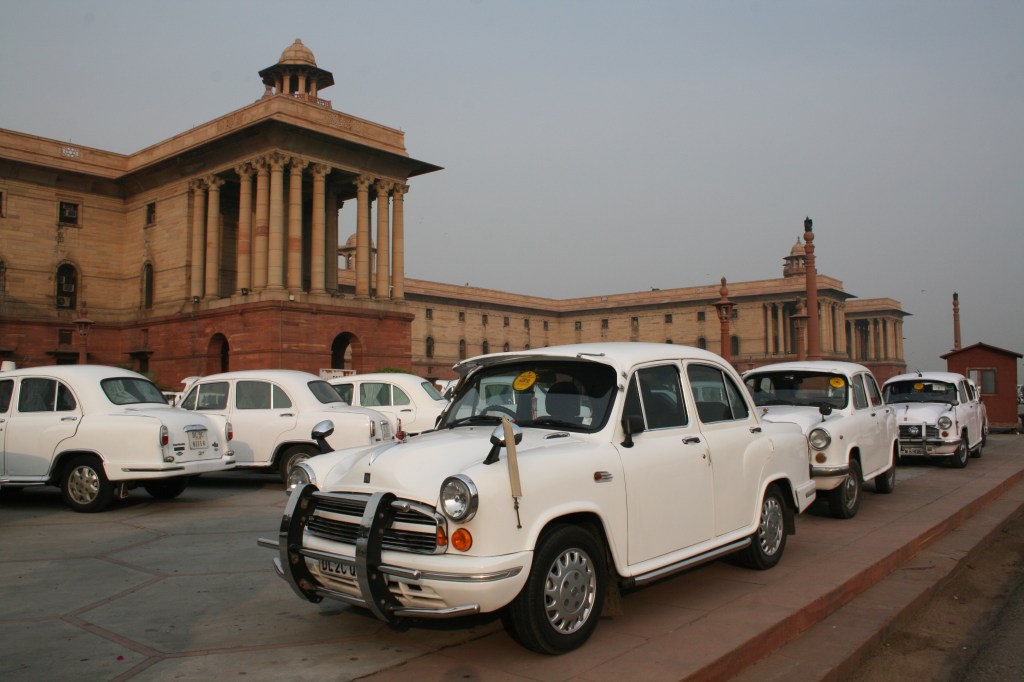
In 1958, the Hindustan Morris Ambassador, originally inspired by the British Morris Oxford took birth, proudly emerging as a national symbol and dominating Indian roads for several years. This timeless automobile, that stood at the epitome of Indian engineering prowess, went on to become a popular choice among government employees, legislators and the general public alike.
In the 1960s, The Premier Automobiles Group joined the club with their iconic Padmini, which also went on to become an instant hit. Lauded for its compact design and appealing aesthetics, this car was a popular choice among the general public and taxi drivers alike, especially in cities like Mumbai.
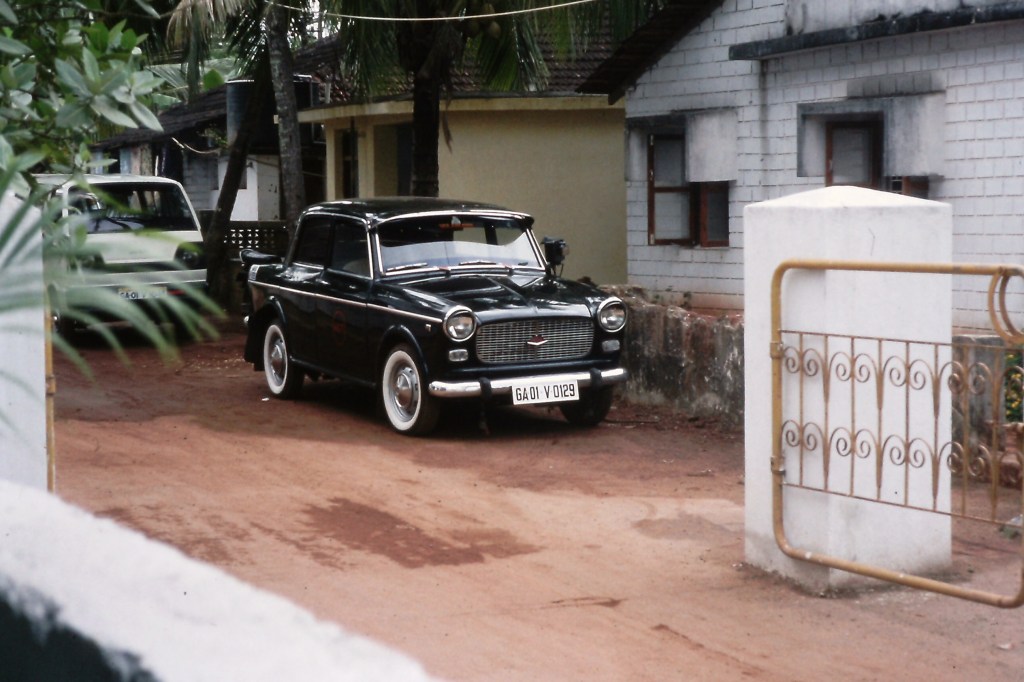
In addition to democratizing road travel in India, these vehicles laid the foundation for upcoming advancements in the nation’s automotive industry.
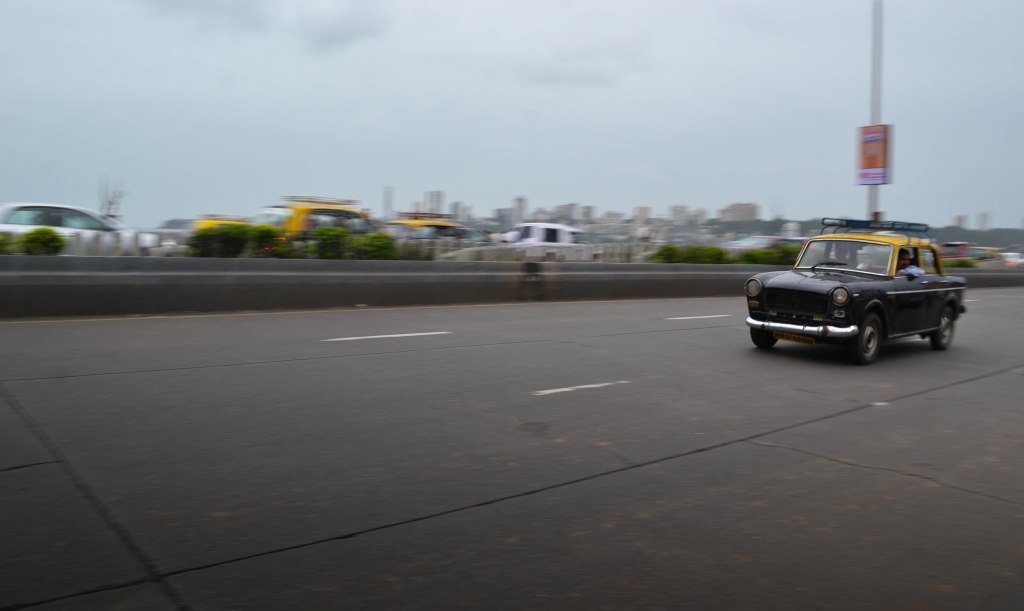
The Era of Liberalization and Global Influence
The 1990s marked a major shift in India’s automotive industry with economic liberalization. This opened doors for foreign players like Maruti Suzuki and Hyundai, which revolutionized the nation’s automotive market with advanced technology and ergonomic designs. The Maruti 800, launched in 1983, became the car of the masses and set new benchmarks in affordability, reliability, and fuel efficiency. It’s hard to overstate the profound significance of the Maruti 800 in the country, which, for many Indians, was their first car.
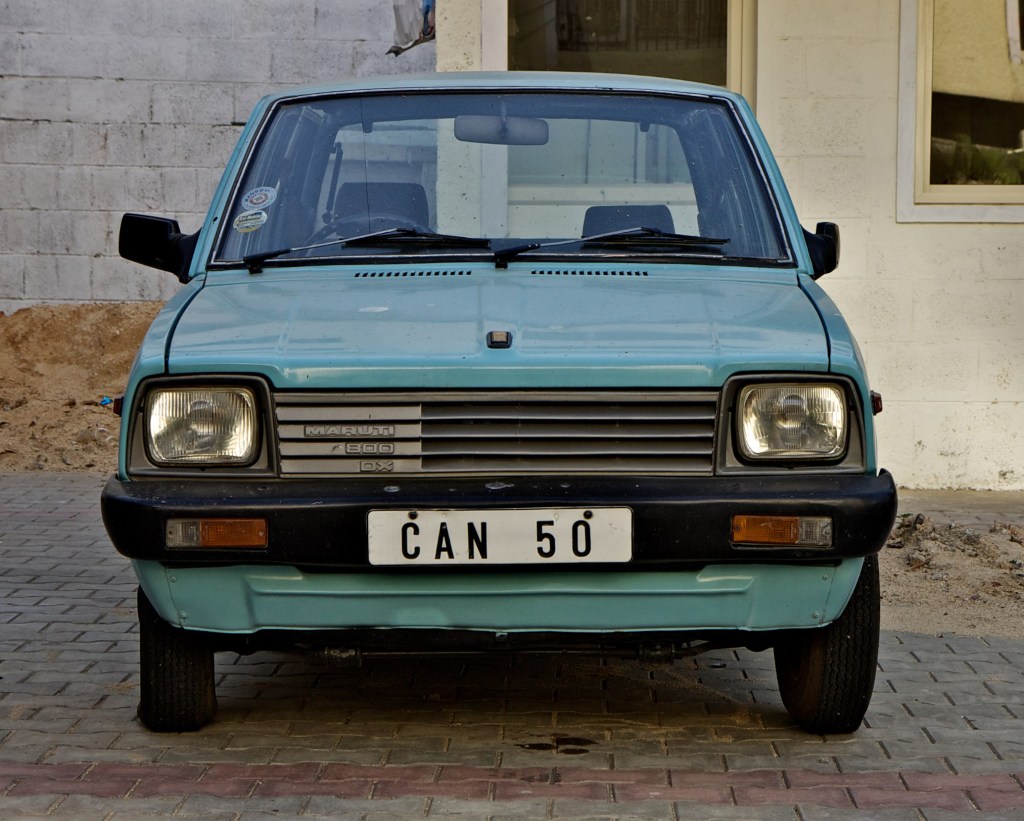
As more global brands entered the Indian market, the design and technology of cars evolved rapidly. In due course, companies began focusing on customer preferences, offering more compact, fuel-efficient models with improved safety features.
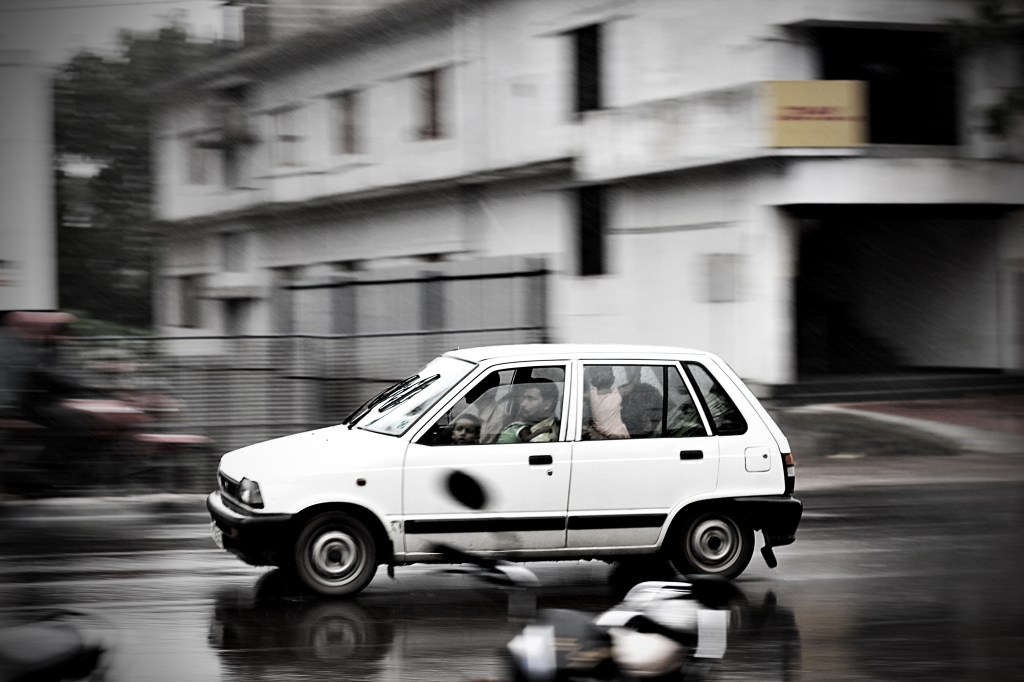
The Modern Automotive Landscape: Innovation and Sustainability
Today, India’s automotive industry is a mixture of tradition and modernity. Vintage car rallies held in cities like Delhi, Mumbai and Bangalore showcase classic vehicles from pre-independence India, many of which are lovingly restored by enthusiasts. Simultaneously, modern-day vehicles feature cutting-edge technology like electric powertrains, advanced infotainment systems, and autonomous driving features.

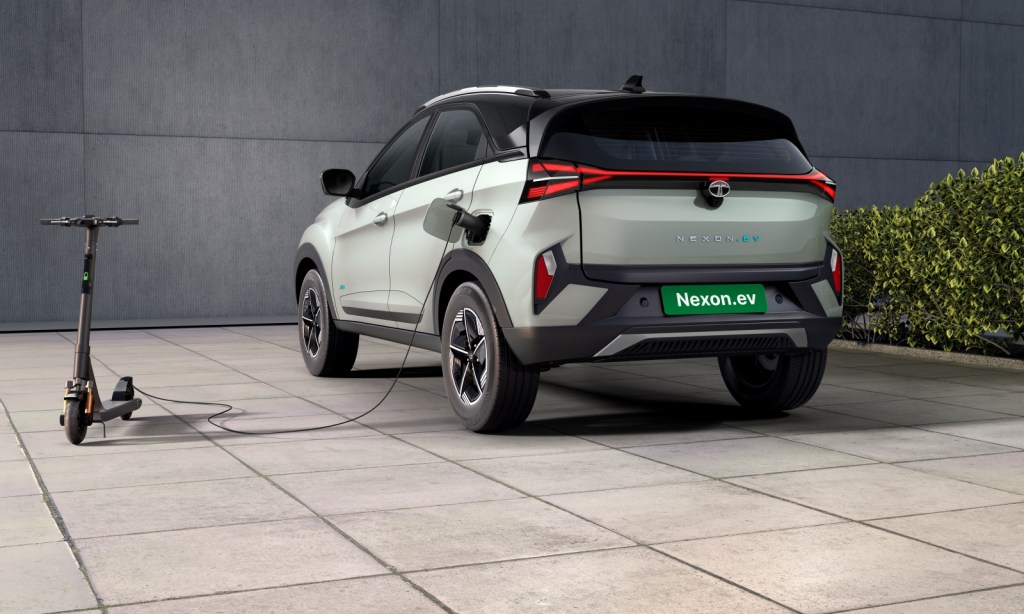
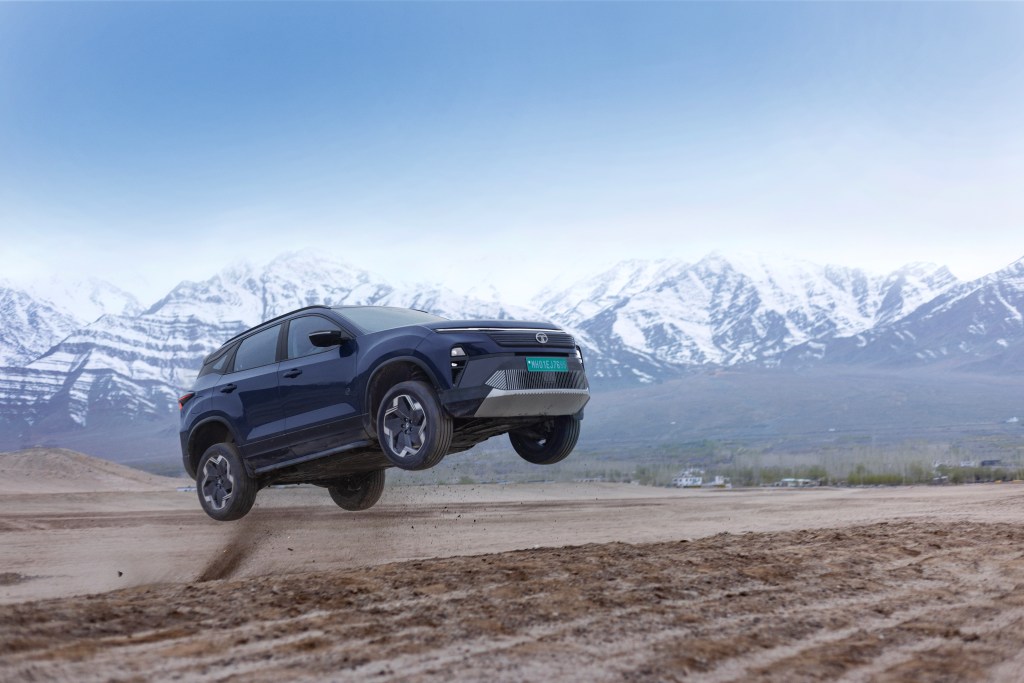
Indian brands like Tata Motors and Mahindra have not only evolved with the global trends, but also introduced their own unique innovations. Tata’s electric vehicles (EVs), including key models like the Tata Nexon EV, are making strides towards sustainability and reducing carbon footprints.
Preserving a Legacy: The Role of Classic Car Enthusiasts
The passion for classic cars is still alive, with numerous clubs and events that celebrate the glory of vintage vehicles. Collectors take pride in restoring these cars to their original state, maintaining the charm and nostalgia of a bygone era.
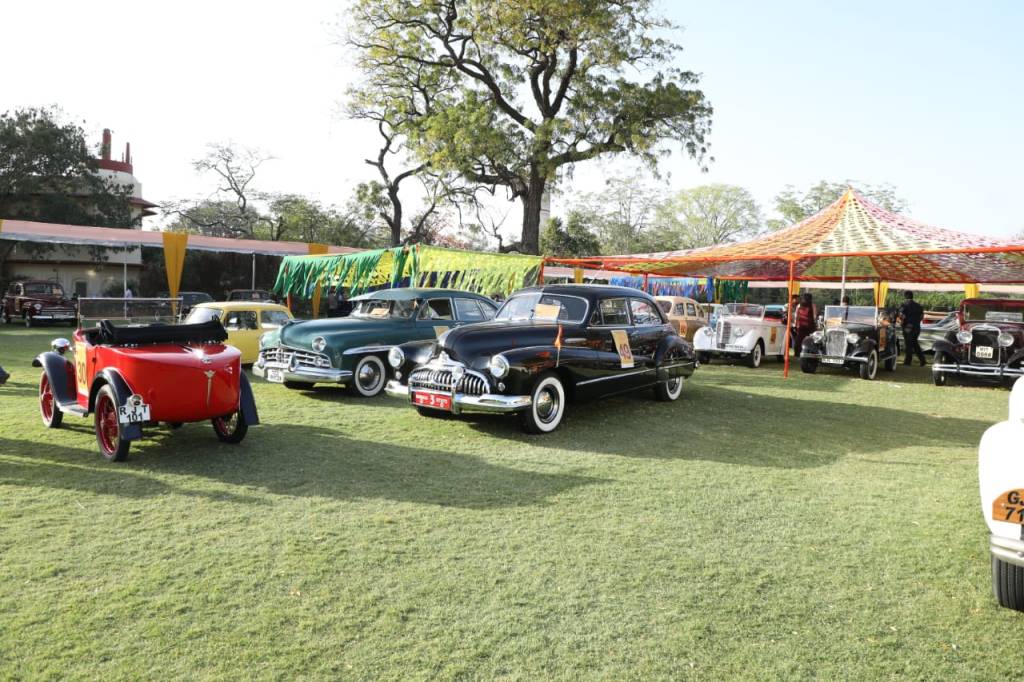
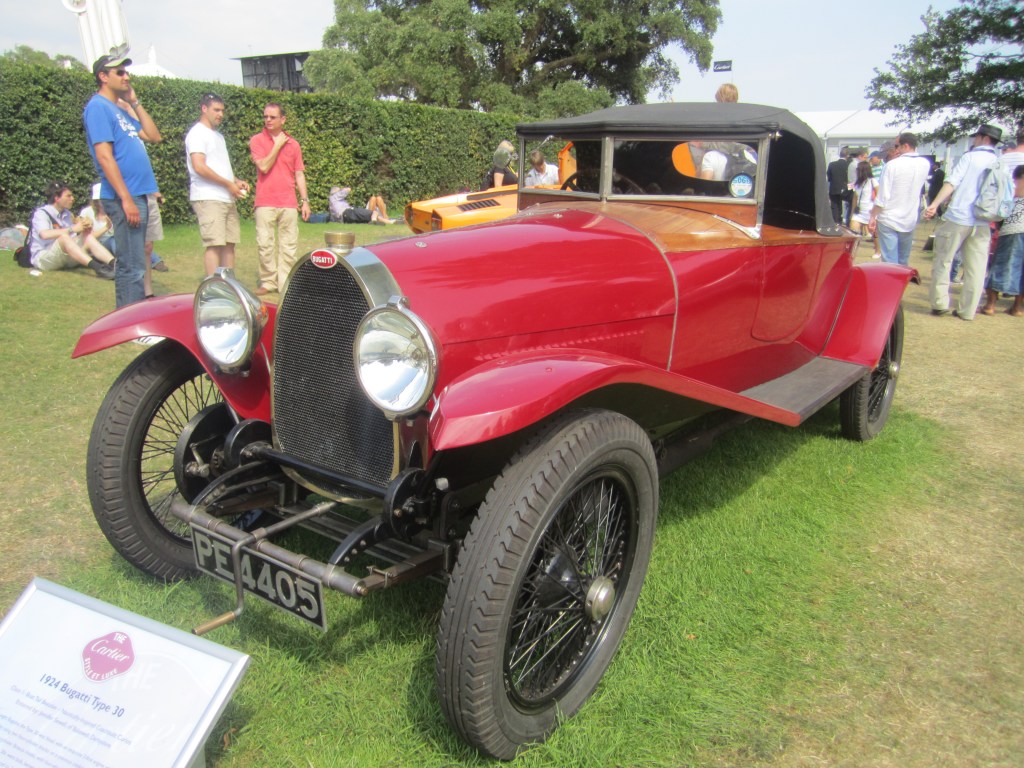
Events like the Vintage Car Rally in Jaipur, and the Cartier Concours D’Elegance, attract significant global attention, preserving India’s past automotive legacy.
Conclusion
The evolution of classic cars in India mirrors the country’s journey from a land of opulent Maharajas to a global automotive player. From the luxury cars of pre-independence India to the modern, tech-driven vehicles of today, the Indian automobile industry has undergone a significant transformation.
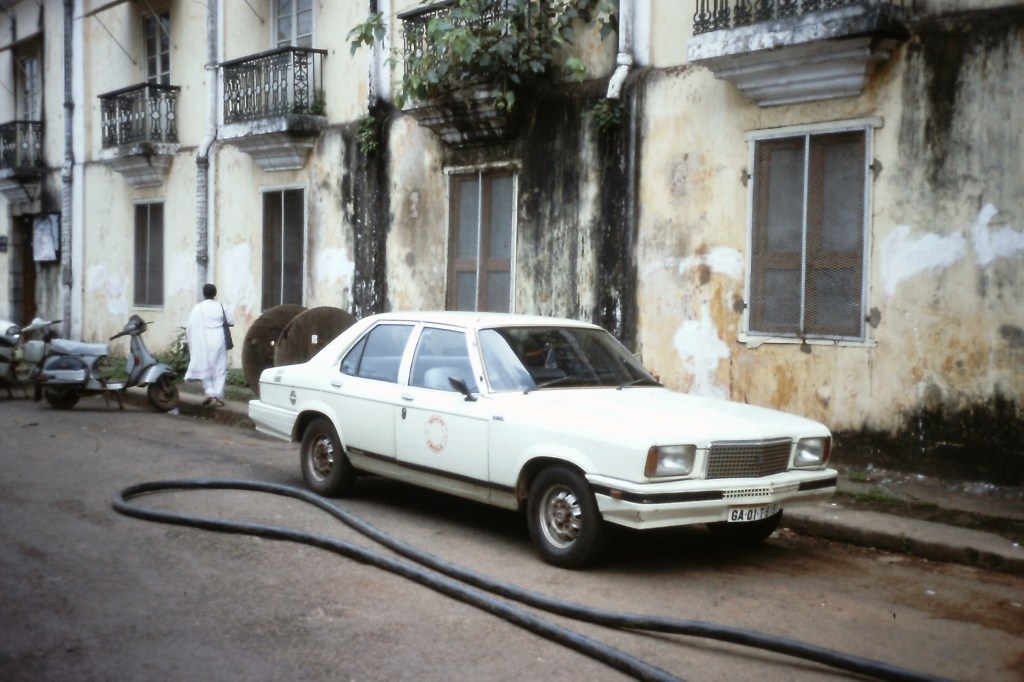
As we move towards a future of electric and autonomous cars, the love for classic vehicles remains undiminished, providing a link to our rich automotive heritage.

 The Auto Herald- The Drive Behind Every Story